Home / Health / NHS maternity care crisis: A mother's fight for answers
NHS maternity care crisis: A mother's fight for answers
26 Feb
Summary
- Midwives missed signs of internal bleeding, suggesting a panic attack.
- Emergency C-section performed in hospital lobby saved mother's life.
- Baby died hours after birth; inquest found survival was possible if earlier intervention.
A national inquiry into maternal and neonatal deaths is exposing significant shortcomings in NHS care. The investigation, led by Baroness Valerie Amos, has identified six recurring factors contributing to preventable deaths, despite previous maternity scandals.
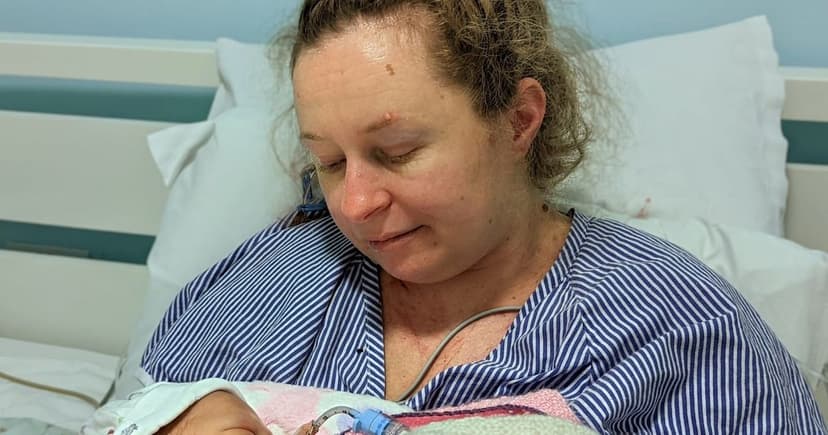
In January 2022, Katie Fowler experienced severe internal bleeding during labor. Initial phone assessments by midwives failed to recognize the severity, suggesting a possible panic attack. This delay proved critical.
Katie and her husband rushed to the Royal Sussex County Hospital. As they arrived, Katie went into cardiac arrest. Surgeons performed an emergency C-section in the hospital lobby to save her life, while their newborn daughter, Abigail, was resuscitated in the waiting room.
Tragically, Abigail died at 48 hours old due to unsurvivable injuries. An inquest later concluded that Abigail would likely have survived if her mother had been admitted to the hospital sooner.
Katie Fowler expressed frustration, feeling maternity staff are too stretched and lack compassion, treating patients as mere "bed numbers." She believes only a full statutory public inquiry can compel trusts to reveal information and uncover the root causes of these widespread failures.
Baroness Amos's interim report acknowledges that maternity and neonatal services in England are failing many. While national recommendations are being developed, some families, like Katie's, advocate for a more powerful public inquiry to ensure genuine change. A new National Maternity and Neonatal Taskforce is set to implement recommendations in the new year.