Home / Health / NHS Dentistry Lost: 600 Practices Go Private
NHS Dentistry Lost: 600 Practices Go Private
24 Aug
Summary
- 608 NHS practices abandoned contracts since March 2017 in England.
- A pensioner lives in pain due to lack of NHS dental care access.
- Funding for NHS dental care has not kept pace with inflation.
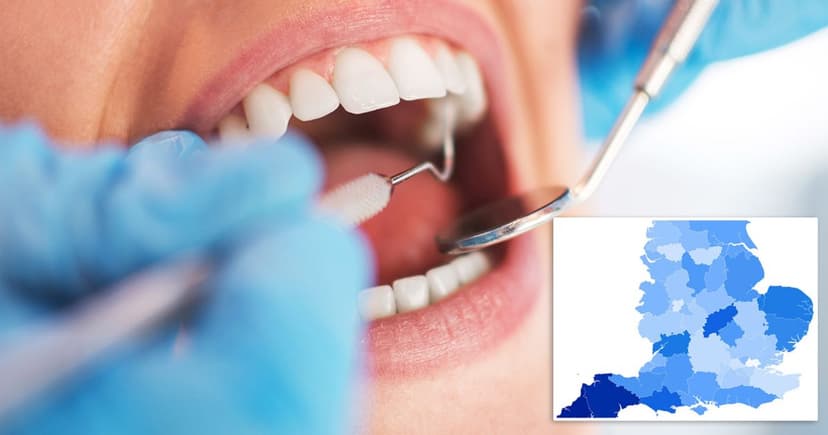
A decade-long oral health crisis has led to the effective loss of universal NHS dentistry in England, with 608 dental practices abandoning their NHS contracts since March 2017. This amounts to a significant reduction in accessible care, as reported by the Nuffield Trust.
Analysis shows that the number of registered NHS dentists has fallen from 6,262 in March 2017 to 5,654 by March 2026. Consequently, the share of dental practices offering general NHS services has dropped from 64.6% to 55.6%.
These changes mean that dental capacity has shifted beyond the reach of those unable to afford private treatment, creating a two-tier system. Regions like the South West and East of England are seeing the most pronounced shift away from NHS contracts.
Patients like an 84-year-old pensioner, Mike Wood, are experiencing chronic pain and difficulty eating due to the inability to secure NHS dental appointments for over a decade. Dentists, such as Jim Sykes, have also been forced to hand back NHS contracts due to financial unsustainability.
Funding for NHS dentistry in England remained stagnant at around £3 billion for over a decade, failing to keep pace with inflation and population growth. While Labour has increased the budget to £3.5 billion for 2024/25, experts suggest an additional £1.5 billion annually is needed for substantial reform.
Recent polling indicates strong public support for increased funding to fix NHS dentistry. The government is consulting on contract reform and has implemented measures like increased emergency appointment payments and supervised teeth brushing in schools. However, major contract reform is deemed essential to reverse the decline.


