Home / Health / Newborns' Quiet Arrival: When Silence Speaks Volumes
Newborns' Quiet Arrival: When Silence Speaks Volumes
16 Aug
Summary
- Not all newborns cry immediately after birth
- Quiet babies may still be perfectly healthy
- Delivery teams closely monitor newborns' vital signs
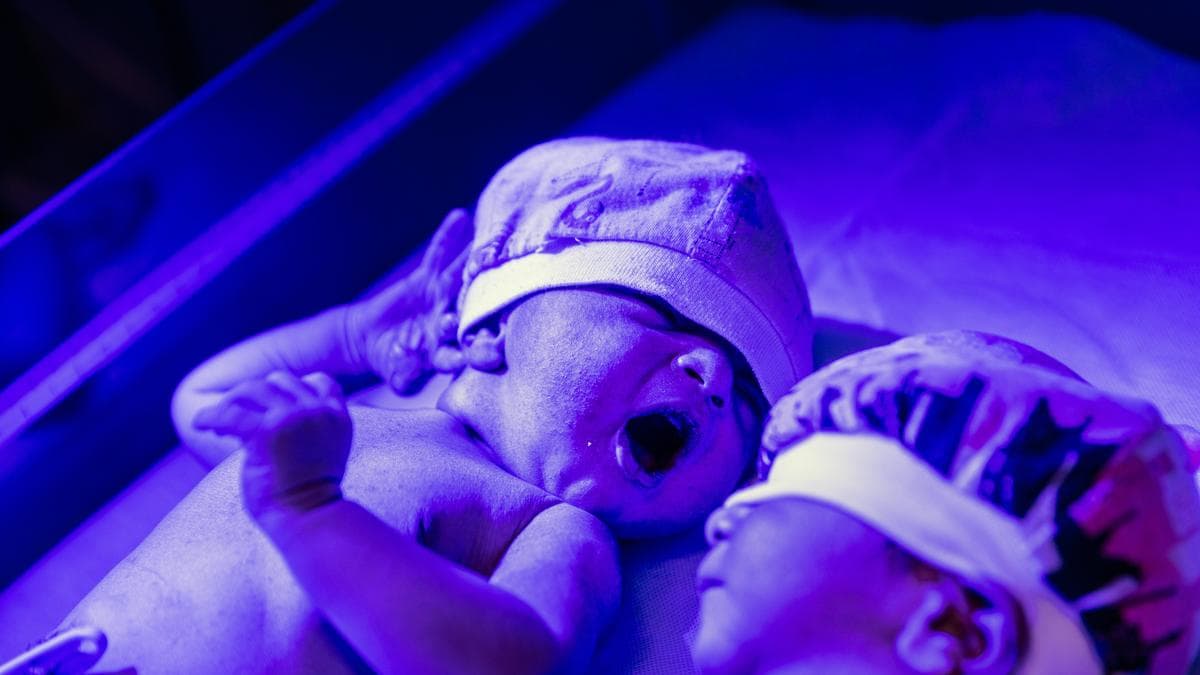
On August 16, 2025, healthcare professionals in maternity wards are shedding light on a common misconception about newborns - not every baby cries immediately after birth, and this does not always indicate a problem.
Contrary to the dramatic portrayals in television and films, physicians consider a much broader set of factors when assessing the health of a newborn. The initial cry helps expel fluid from the lungs and signals that the baby's breathing mechanism is transitioning to independent operation. However, some babies make this transition quietly, without the expected wail. As long as the newborn is breathing regularly, has good muscle tone, and their skin appears a healthy pink, they may be perfectly healthy despite the lack of an immediate cry.
There are various reasons why a baby may not cry right away, such as a smooth and easy delivery, prematurity, or the effects of pain medication given to the mother during labor. In such cases, the delivery team closely monitors the newborn using the Apgar score, which examines vital signs like breathing, heart rate, and reflexes. Only when a baby does not breathe satisfactorily, appears limp, or has discolored skin would the team intervene with gentle stimulation, clearing the airway, or providing oxygen.
For parents, witnessing a quiet infant during those first moments can be unsettling, but healthcare providers are trained to handle such situations. In most cases, a few seconds of additional attention is enough for the newborn to begin breathing regularly, with or without a dramatic wail. The initial cry, while comforting, is not the sole indicator of a baby's health, as some newborns arrive in this world breathing softly rather than loudly, and that is perfectly fine too.