Home / Health / Newborns Denied Vital Vitamin K Shot
Newborns Denied Vital Vitamin K Shot
4 Feb
Summary
- Infants are born deficient in vitamin K, increasing bleeding risks.
- Vitamin K injections have been routine for over 60 years.
- Refusals for the shot have risen due to misinformation.
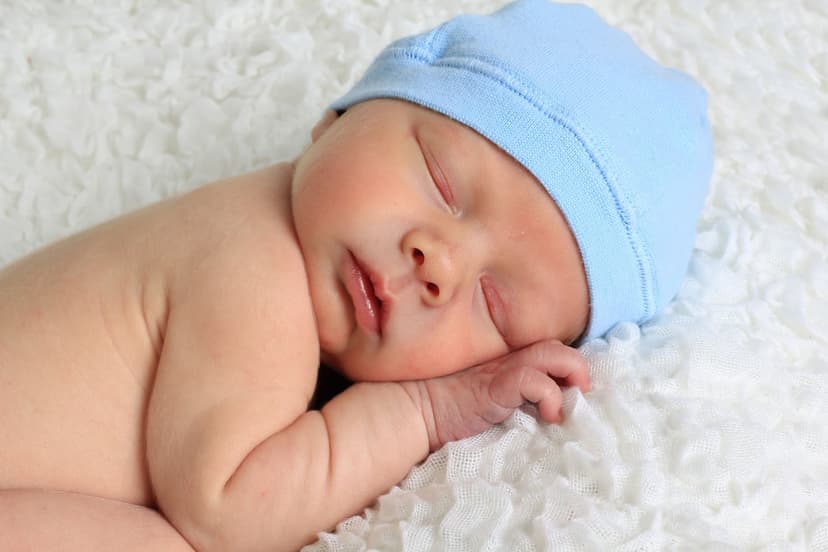
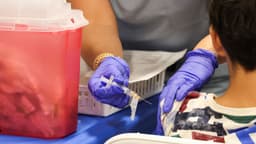
A growing number of parents are refusing the vitamin K injection for newborns, a standard medical practice for over 60 years. This vital shot prevents serious bleeding conditions, including brain hemorrhages. Infants are naturally deficient in vitamin K at birth, and breast milk contains insufficient amounts until solid foods are introduced.
Medical professionals observe this trend is often linked to broader anti-vaccine sentiment, although the vitamin K shot is not a vaccine. Misinformation about the injection's safety and necessity is prevalent. Providers note that while some parents cite concerns about ingredients or outdated research, many simply perceive the shot as unnatural or unnecessary.
Data indicates a rise in infants not receiving the injection, with figures increasing from under 3% in 2017 to over 5% in 2024. This shift is concerning, as untreated vitamin K deficiency, though uncommon, can lead to severe bleeding. The American Academy of Pediatrics has recommended the injection for all newborns since the 1960s due to the unpredictable nature of bleeding risks.