Home / Health / Tiny Ticks Unleash New Hidden Dangers This Summer
Tiny Ticks Unleash New Hidden Dangers This Summer
17 Jul
Summary
- New tick-borne viruses can hide from the immune system using special proteins.
- Anaplasmosis, a tick-borne bacterial infection, is spreading to new areas.
- Experts advise protective measures like insect repellent and body checks.
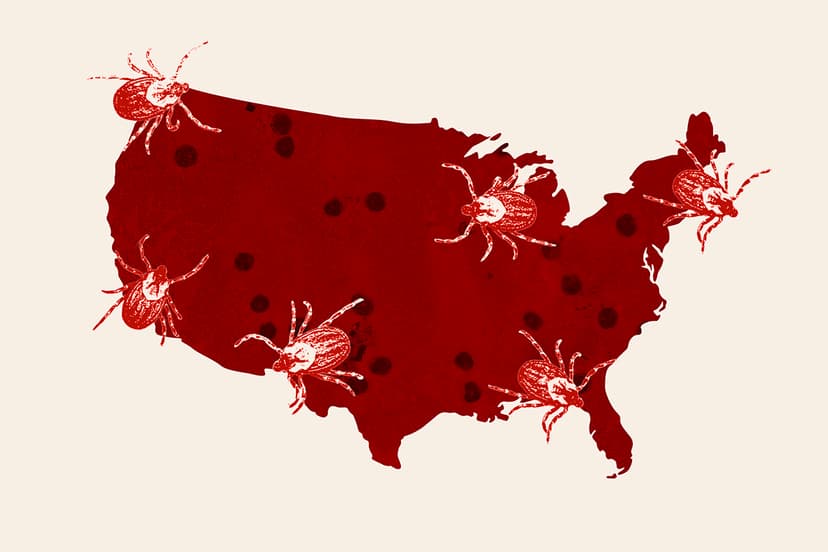
Tiny ticks are increasingly spreading diseases across North America, with some carrying pathogens that pose significant public health risks. These vector-borne illnesses are on the rise, potentially due to changing climates and expanding tick habitats.
New findings show that a family of tick-borne viruses, orthonairoviruses, can cleverly dodge the human immune system. These viruses utilize specific proteins to remove essential immune-signaling molecules, preventing the body from detecting and fighting off infection.
One such virus, PCTNV, found in the Pacific Coast tick, has demonstrated a particularly effective immune-evading enzyme. This tick already bites humans and can transmit other diseases, raising concerns about potential exposure to this novel virus on the West Coast.
In addition to viral threats, bacterial infections like anaplasmosis, spread by the blacklegged deer tick, are becoming a growing concern as they expand into new territories. Unlike Lyme disease, anaplasmosis lacks a characteristic rash, making diagnosis challenging without blood tests.
To protect against tick-borne illnesses, experts recommend wearing protective clothing, using EPA-registered insect repellents, and promptly showering and checking for ticks after spending time outdoors. Prompt removal of ticks and consulting a physician if symptoms arise are crucial.


