Home / Health / Sleeping Sickness Breakthrough: One Pill Cures All
Sleeping Sickness Breakthrough: One Pill Cures All
17 Mar
Summary
- A single-dose pill offers hope for eliminating sleeping sickness by 2030.
- The new drug, acoziborole, replaces lengthy treatments with harsh side effects.
- Nearly 1,000 cases of sleeping sickness occurred globally last year.
A significant medical advancement promises to help the World Health Organization achieve its goal of eliminating sleeping sickness by 2030. A committee of the European Medicines Agency has recommended the approval of acoziborole, a novel single-dose treatment for the disease, which could be available by early next year.
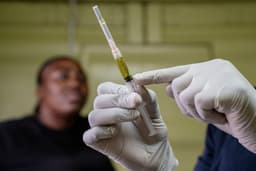
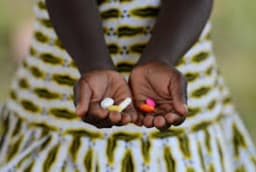
This new medication is particularly notable as it is administered as three pills taken together, a vast improvement over older treatments that involved intravenous drugs with severe side effects. Even current oral treatments require ten days of medication and can cause adverse reactions like nausea and heart rhythm disturbances. Clinical trials for acoziborole reported only mild headaches as a significant side effect.
Dr. Gerardo Priotto highlighted that decades of available treatments were difficult to administer, requiring significant staff, equipment, and infrastructure, especially in remote areas where sleeping sickness is most common. Acoziborole's single, well-tolerated dose removes these barriers, simplifying patient care and accelerating progress towards elimination.
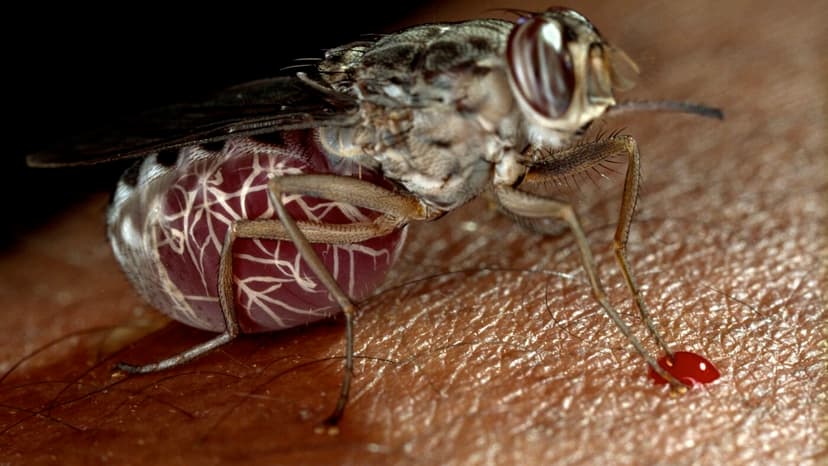
The development team, including the Drugs for Neglected Diseases Initiative (DNDi) and Sanofi, with funding from partners like the Gates Foundation, noted that harsh side effects of previous drugs discouraged many from seeking treatment. The tsetse fly, which transmits the parasite, thrives in warm, vegetated areas, making the disease endemic to remote regions.
While hundreds of thousands have died from sleeping sickness historically, efforts have reduced incidence to about 1,000 annual cases worldwide, with the Democratic Republic of Congo accounting for nearly two-thirds. The new drug targets Trypanosoma brucei gambiense, responsible for over 90% of cases, and treats both early and late neurological phases of the illness.
Further trials are exploring if serologic tests can allow immediate treatment initiation, potentially increasing treated patients and ending transmission. The next steps involve reviews by the Democratic Republic of Congo Ministry of Health and the WHO. However, concerns about future funding cuts could impede access to this life-saving drug in the countries that need it most.