Home / Health / Dim Light, Close Focus: New Myopia Culprits?
Dim Light, Close Focus: New Myopia Culprits?
22 Feb
Summary
- Myopia affects 30% globally, projected to reach 50% by 2050.
- New study suggests prolonged close focus in low light, not screens, drives myopia.
- Bright outdoor light may protect against myopia's development and progression.
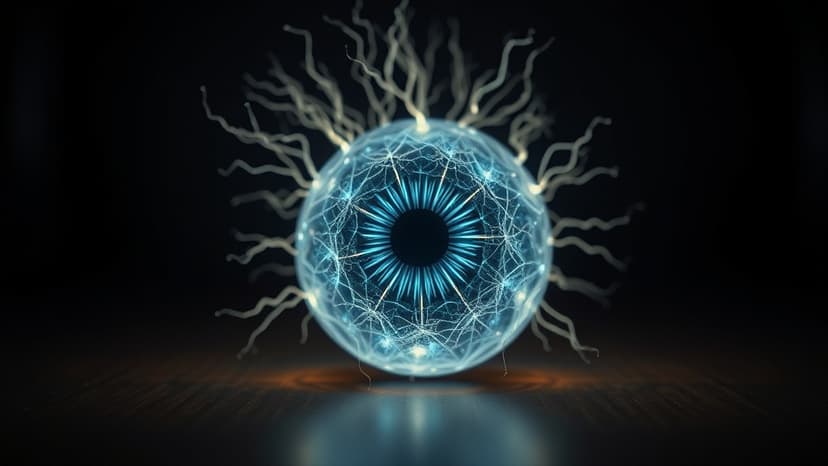
Myopia, characterized by blurry distant vision, currently affects 30% of the global population, with projections indicating nearly 50% by 2050. A recent study proposes that the increase in myopia is not solely due to screen use, but rather a common indoor habit: sustained close-up focus in low-light conditions.
This prolonged visual activity in dim environments may significantly reduce the amount of light reaching the retina. Researchers hypothesize that insufficient retinal stimulation over time could impair neural pathways crucial for visual development, contributing to myopia. Conversely, ample bright light exposure, such as from spending time outdoors, helps maintain healthy retinal stimulation.
The study also observed that negative lenses can exacerbate the reduction in retinal light, particularly during extended periods of near work. Scientists are exploring this new theory, which emphasizes the interaction between visual habits, lighting conditions, and eye focusing mechanisms to better understand and potentially prevent myopia.
For regions like India, where myopia is rising among urban populations, this research suggests simple interventions. Brighter indoor lighting, increased daily outdoor time for natural sunlight exposure, and combining treatments with improved light-related habits could be beneficial. While not a definitive answer, this hypothesis offers a new framework for myopia prevention and treatment strategies.