feedzop-word-mark-logo
searchLogin
Feedzop
homeFor YouIndiaIndia
You
bookmarksYour BookmarkshashtagYour Topics
Trending
Terms of UsePrivacy PolicyAboutJobsPartner With Us

© 2026 Advergame Technologies Pvt. Ltd. ("ATPL"). Gamezop ® & Quizzop ® are registered trademarks of ATPL.

Gamezop is a plug-and-play gaming platform that any app or website can integrate to bring casual gaming for its users. Gamezop also operates Quizzop, a quizzing platform, that digital products can add as a trivia section.

Over 5,000 products from more than 70 countries have integrated Gamezop and Quizzop. These include Amazon, Samsung Internet, Snap, Tata Play, AccuWeather, Paytm, Gulf News, and Branch.

Games and trivia increase user engagement significantly within all kinds of apps and websites, besides opening a new stream of advertising revenue. Gamezop and Quizzop take 30 minutes to integrate and can be used for free: both by the products integrating them and end users

Increase ad revenue and engagement on your app / website with games, quizzes, astrology, and cricket content. Visit: business.gamezop.com

Property Code: 5571

Home / Health / Gene Mutation Linked to Newborn Diabetes

Gene Mutation Linked to Newborn Diabetes

16 Jan

•

Summary

  • A genetic disorder disrupts insulin-producing cells in newborns.
  • Mutations in the TMEM167A gene cause this rare form of diabetes.
  • The gene is crucial for insulin production and also affects neurons.
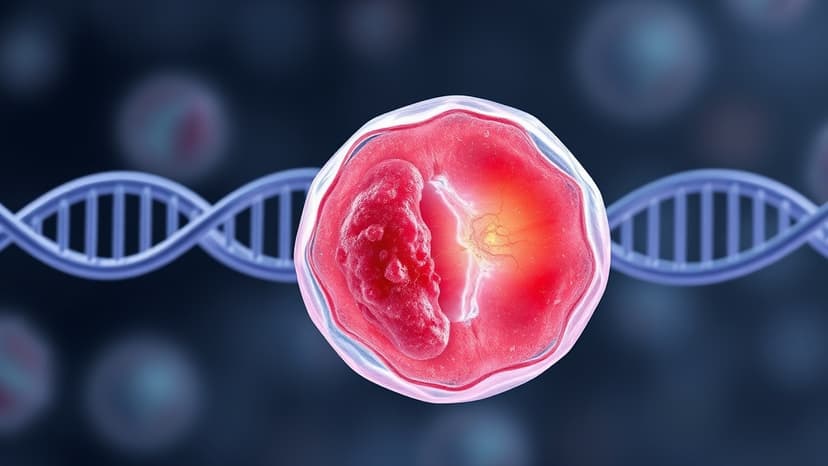
Gene Mutation Linked to Newborn Diabetes

Scientists have identified a new genetic disorder causing diabetes in newborns. This condition, diagnosed in infants under six months, is caused by specific gene mutations affecting insulin production. Researchers from the University of Exeter Medical School and Université Libre de Bruxelles led the study, utilizing advanced DNA sequencing and stem cell models.

The research pinpointed mutations in the TMEM167A gene as the cause for this rare neonatal diabetes. This gene is vital for the proper functioning of insulin-producing beta cells and also plays a role in neurological development, explaining concurrent conditions like epilepsy and microcephaly observed in affected infants.

By transforming stem cells into insulin-producing cells, scientists demonstrated how damaged TMEM167A impairs cell function and survival under stress. This discovery provides a crucial understanding of insulin secretion and cell resilience, opening avenues for further research into diabetes and neurological disorders.

Disclaimer: This story has been auto-aggregated and auto-summarised by a computer program. This story has not been edited or created by the Feedzop team.
Neonatal diabetes is diagnosed under six months of age and is typically caused by genetic mutations affecting insulin production, unlike autoimmune type 1 diabetes.
The study led by the University of Exeter identified mutations in the TMEM167A gene as responsible for a rare form of neonatal diabetes.
Mutations in TMEM167A disrupt the function of insulin-producing cells and are also linked to neurological conditions in infants.

Read more news on

Healthside-arrow
trending

Padma Awards: Unsung heroes honoured

trending

Mumbai Metro Line 11

trending

Border 2 box office success

trending

Australian Open Heat Suspends Play

trending

MPESB Police Answer Key 2026

trending

Arne Slot on Mo Salah

trending

BBL 2026 Qualifier prediction

trending

Man wins £79,000 Range Rover

trending

Samsung Galaxy S26 Ultra

You may also like

Ageing Reversed? Scientists Reset Cellular 'Order'

8 hours ago • 2 reads

article image

Cellular Molecule Fights Stress, Offers Health Hope

1 day ago • 14 reads

article image

Super Agers' Genes Hold Alzheimer's Secrets

19 Jan • 28 reads

article image

New Blood Test Detects Deadly Throat Cancer Early

16 Jan • 56 reads

article image

Sunlight Boosts Diabetes Health

9 Jan • 77 reads

article image