

Home / Health / Chemists' New Drugs Outpace Bans
Chemists' New Drugs Outpace Bans
9 Apr
Summary
- Illicit chemists create dangerous new drugs faster than they can be banned.
- Simple molecular changes create new drugs like methylone, sold legally.
- New potent opioids like nitazenes emerged after fentanyl bans.
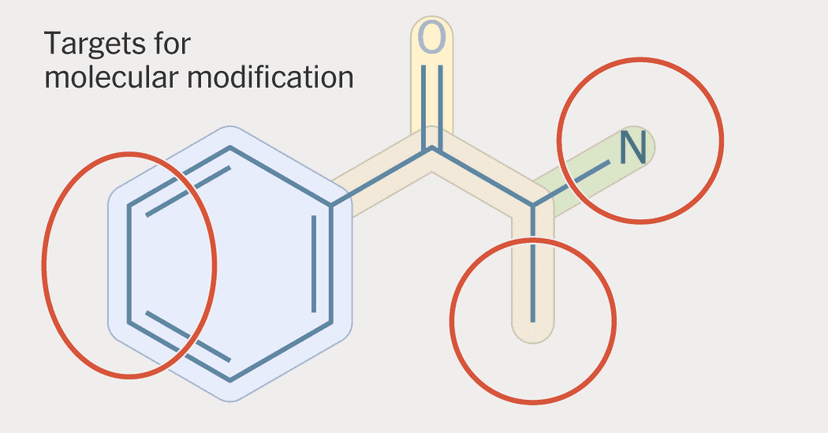
Illicit chemists are innovating at a breakneck pace, creating synthetic drugs that are more dangerous and potent than current regulations can handle. Beginning with simple molecular alterations, such as the creation of methylone from MDMA, these chemists have developed compounds that initially evaded legal control, even being sold openly. For example, methylone, a cathinone derivative, was marketed as "bath salts" in 2010 before being banned.
This cycle of evasion continues as new drug laws prompt chemists to tweak existing molecules, leading to an endless stream of novel substances. Following bans on fentanyl variants in 2019, chemists turned to older, more complex compounds like nitazenes, first developed in the 1950s. These "Frankenstein opioids" are reported to be even more lethal than fentanyl, with at least 22 variants identified by the end of 2024.
These chemists, operating globally in unregulated labs, are described as being ahead of regulatory agencies. Their trial-and-error approach focuses on increasing drug potency and addictiveness by manipulating molecular structures that hijack the brain's reward system. As new compounds like nitazenes face bans, such as China's in July 2025, the production is likely to shift, perpetuating a global and dangerous game of chemical cat and mouse.
