Home / Health / Tiny Brain Chip: Revolutionizing Neurotech
Tiny Brain Chip: Revolutionizing Neurotech
10 Dec
Summary
- A single silicon chip implant offers high-speed brain-computer communication.
- The device, BISC, is extremely thin and minimally invasive.
- It holds potential for treating epilepsy, paralysis, and blindness.
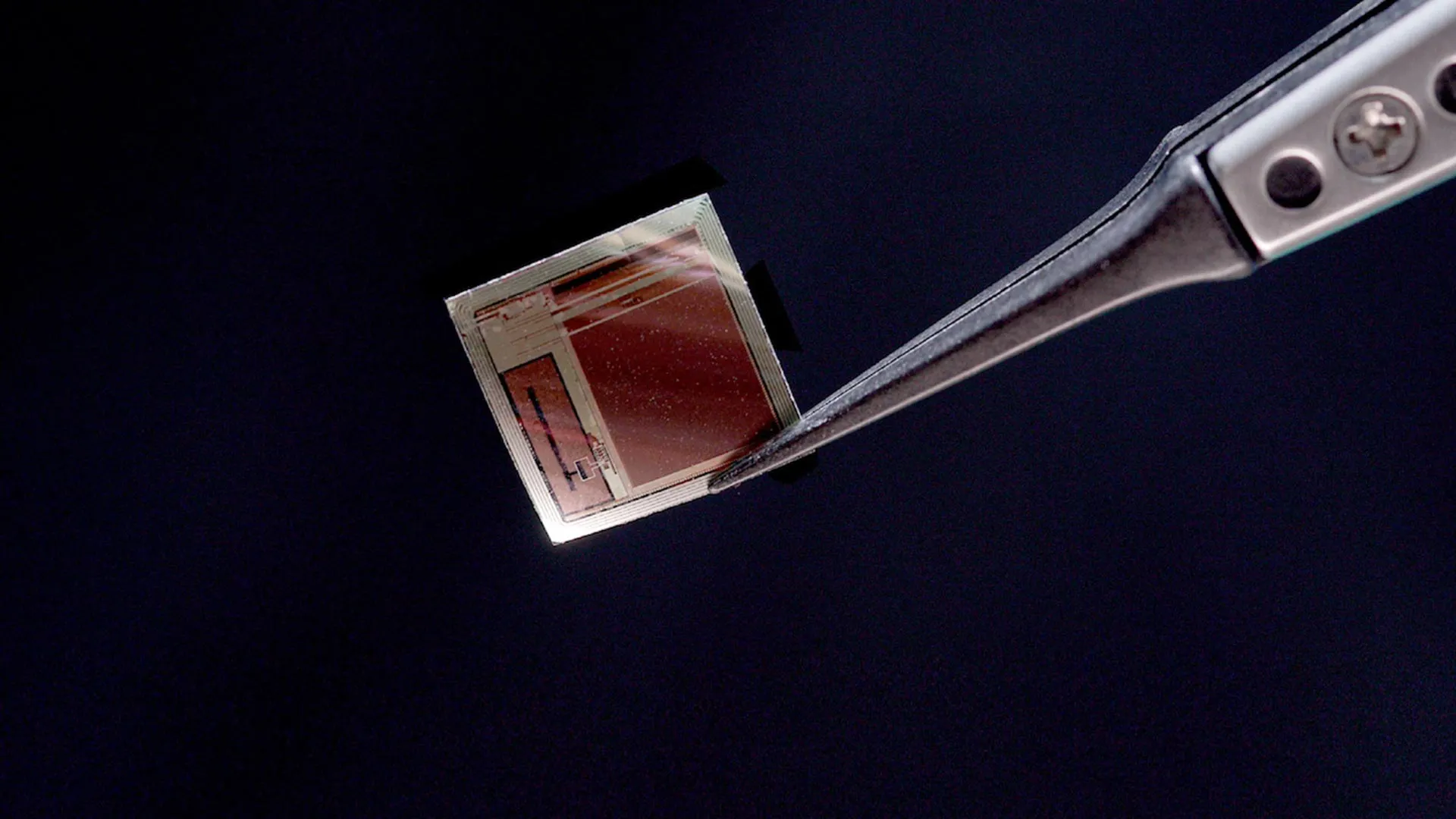
A revolutionary brain implant, known as the Biological Interface System to Cortex (BISC), is emerging as a significant advancement in neurotechnology. Developed through a collaborative effort involving Columbia University, NewYork-Presbyterian Hospital, Stanford University, and the University of Pennsylvania, this device utilizes a single, ultra-thin silicon chip. BISC establishes a high-bandwidth, wireless communication pathway between the brain and external computers, offering a minimally invasive approach to interfacing with neural activity.
The BISC implant is notable for its extremely compact design, measuring just 50 micrometers thick and fitting onto the surface of the brain like a "piece of wet tissue paper." This innovative architecture, detailed in Nature Electronics, integrates crucial components like a radio transceiver, power circuits, and data converters onto a single chip. This integration allows for unprecedented data throughput, at least 100 times faster than existing wireless BCIs, enabling complex processing of brain signals by advanced AI algorithms.