Home / Health / FDA Greenlights New Drugs for Superbug Gonorrhea
FDA Greenlights New Drugs for Superbug Gonorrhea
13 Dec
Summary
- Two new antibiotics, zoliflodacin and gepotidacin, were approved by the FDA.
- Gonorrhea has become increasingly resistant to existing antibiotic treatments.
- The new drugs offer hope against a growing global threat of antimicrobial resistance.
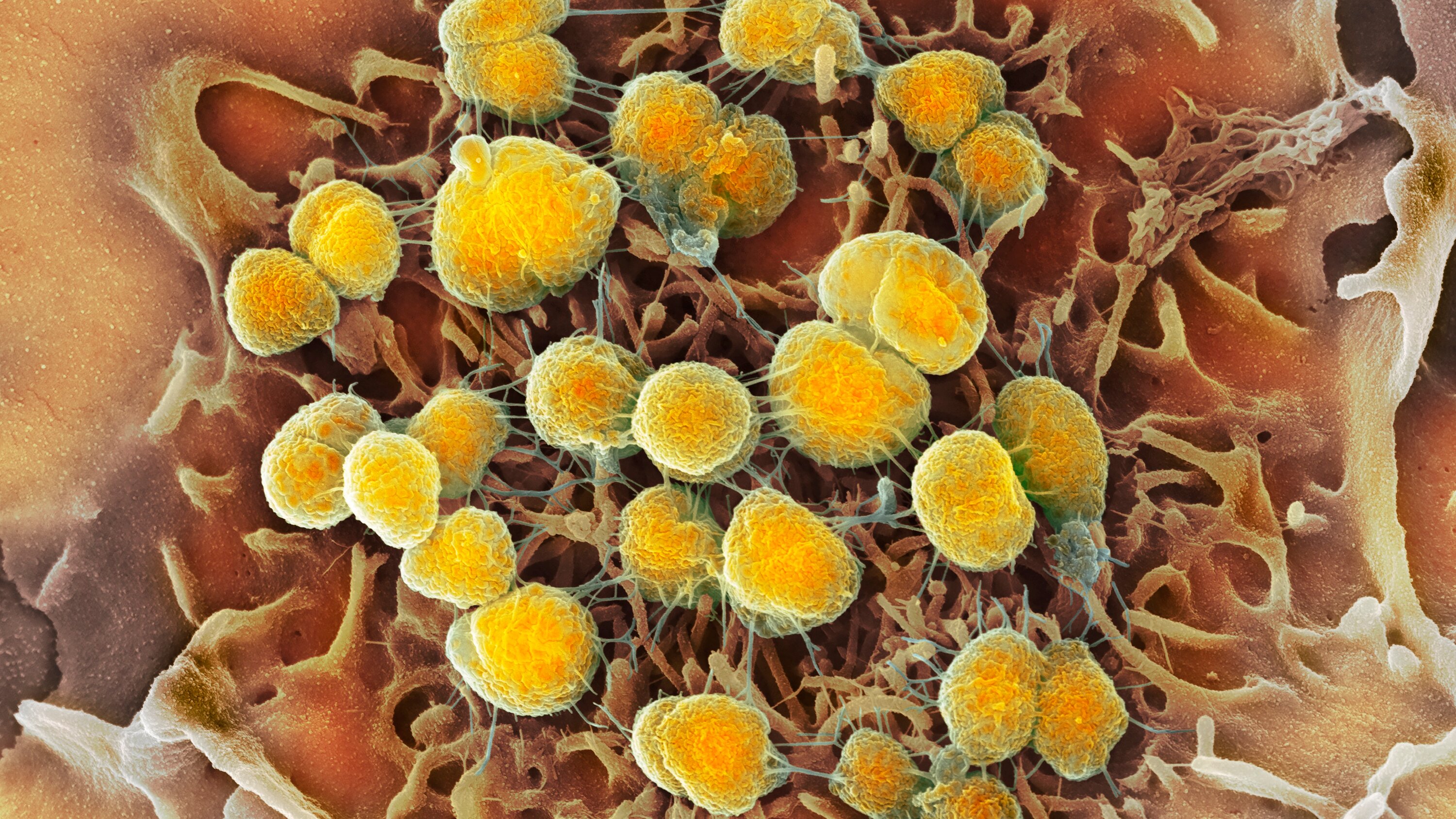
The Food and Drug Administration has given the green light to two new antibiotics, zoliflodacin and gepotidacin, offering a significant advancement in the fight against gonorrhea. This sexually transmitted infection, caused by the bacterium Neisseria gonorrhoeae, has become notoriously resistant to many existing treatments, posing a growing global health challenge. The approval of these novel drugs marks a crucial victory in combating antimicrobial resistance.
Zoliflodacin received approval following a clinical trial demonstrating its safety and efficacy as a single oral dose. Gepotidacin, previously approved for urinary tract infections, also gained expanded use for gonorrhea. Infectious disease experts have expressed optimism, hailing the new treatments as a cause for celebration in the face of escalating antibiotic resistance, which complicates medical procedures and threatens public health.
This development is particularly encouraging given the slow pipeline for new antibiotics. The public-private partnership behind zoliflodacin's journey to market highlights a collaborative approach to drug development. While currently approved for specific uses, these new antibiotics are anticipated to remain effective for a considerable time, providing a vital new option against a resilient pathogen.