Home / Health / Nafisa Ali Sodhi's Chemo Switch: Fighting Cancer With New Regimen
Nafisa Ali Sodhi's Chemo Switch: Fighting Cancer With New Regimen
14 May
Summary
- Chemotherapy drugs can cause allergic reactions in some patients.
- Oncologists can switch to alternative plans for better tolerance.
- Promptly reporting symptoms is crucial for timely medical intervention.
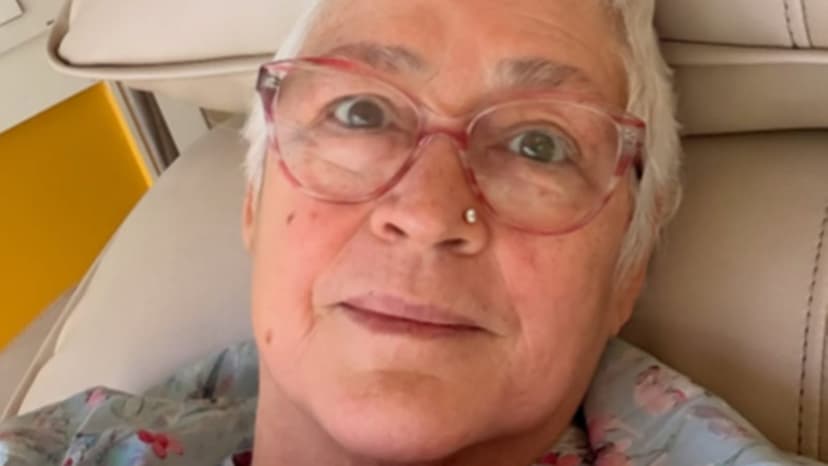
Nafisa Ali Sodhi, who is battling stage 4 peritoneal and ovarian cancer, recently had her chemotherapy treatment altered due to an allergic reaction to a medication. This switch highlights that chemotherapy drugs, while powerful against cancer cells, can sometimes provoke unexpected immune responses in patients.
Such allergic or hypersensitivity reactions are not unusual and can manifest with symptoms like itching, rashes, or more severe issues like breathing difficulties. The body's immune system may begin to identify the drug as a foreign substance, leading to an exaggerated response. Notably, reactions can develop even after several treatment cycles.
Medical oncologists emphasize that modern cancer care involves carefully tailoring chemotherapy delivery. Experienced teams use precise drug dilution, appropriate infusion times, and supportive medications to minimize side effects. When an allergic reaction occurs, oncologists have several alternatives, including switching to a different chemotherapy agent, adjusting dosage, or modifying the infusion rate.
Pre- and post-chemotherapy medications play a critical role in preventing or managing side effects, enhancing patient tolerance and recovery. The development of alternative treatment options means an allergic reaction to one drug does not signify a dead end, ensuring cancer treatment can continue safely and effectively.


