Home / Health / Mom's Instinct Uncovers Rare Childhood Dementia Diagnosis
Mom's Instinct Uncovers Rare Childhood Dementia Diagnosis
24 Jan
Summary
- A mother's intuition led to the diagnosis of a rare, terminal condition.
- Tate was diagnosed with Sanfilippo Syndrome Type A, also known as childhood dementia.
- Experimental treatments show promise in slowing disease progression.
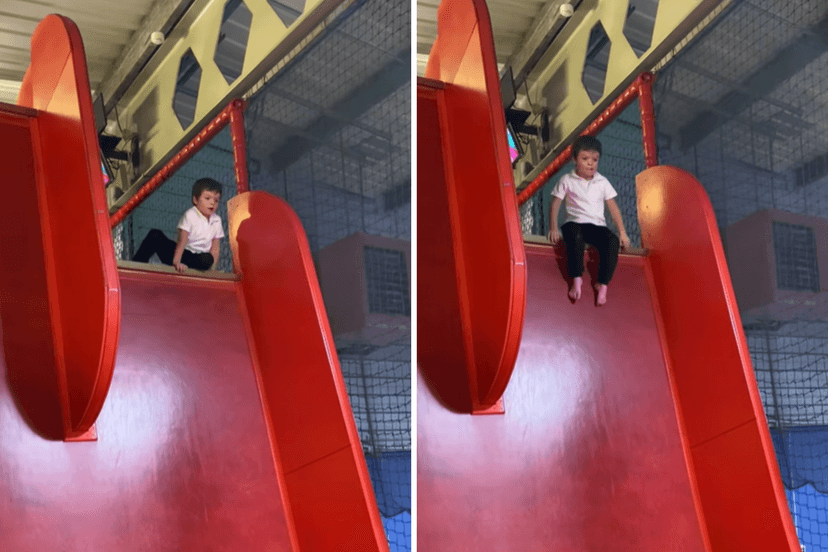
A Swansea mother's unwavering belief that her son Tate's challenges were not solely due to autism has led to a heartbreaking diagnosis. Tammy, Tate's mother, noted his laid-back temperament and lack of emotional expression as unusual, persisting with her search for answers.
In March 2024, a CT scan revealed enlarged ventricles in Tate's brain, indicative of childhood dementia. Doctors subsequently confirmed he has Sanfilippo Syndrome Type A, a rare and fatal neurodegenerative disorder. This condition causes progressive decline, leading to loss of abilities like walking and eating.
Early signs of Sanfilippo Syndrome can closely mimic autism, often resulting in misdiagnosis. Children typically begin regressing around ages five or six, potentially requiring wheelchairs and feeding tubes by eight or nine. Tate, who has always been nonverbal, now faces a future where his mother understands she will never hear his voice.
Currently, no cure exists for Sanfilippo Syndrome. However, research is ongoing, with experimental treatments aiming to slow the disease's advancement. In the U.S., a gene therapy called UX111 is anticipated for potential approval by the end of 2026. Early trial data suggests this therapy may preserve brain function longer, stabilize progression, and enhance quality of life.
Tammy has established a GoFundMe page to support travel for potential treatments in America and shares Tate's journey on TikTok. She is dedicated to ensuring her son has the best possible quality of life, recognizing the emotional toll and the need to cherish each moment, as the disease can progress rapidly.