Home / Health / Moderna's mRNA Platform: A New Era in Drugs
Moderna's mRNA Platform: A New Era in Drugs
13 Nov
Summary
- mRNA technology has advanced from dismissed to a revolutionary platform.
- Moderna's mRNA cancer vaccine, Intisar, shows promise in trials.
- The company's COVID vaccine revenue funded further medical innovations.
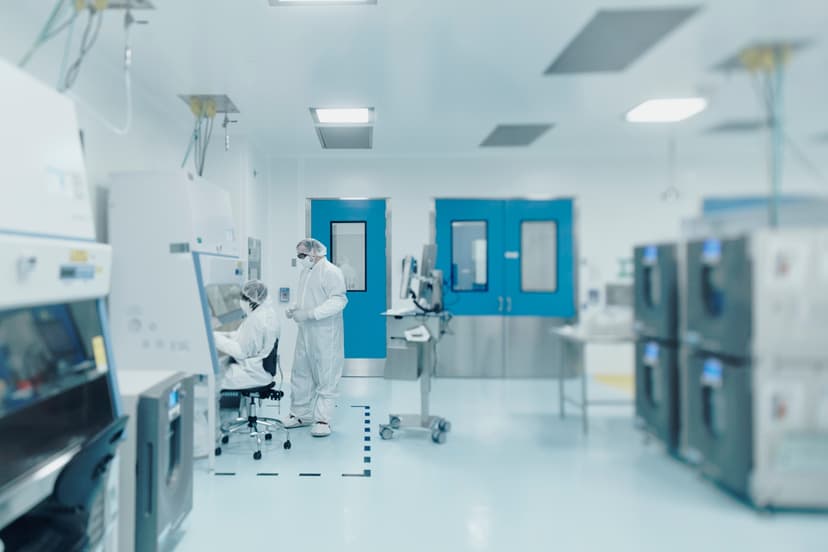
Moderna CEO Stéphane Bancel has guided the company through the transformation of messenger RNA (mRNA) from a scientifically dismissed concept into a revolutionary platform for new medicines. Initially facing doubt, mRNA is now the basis for treatments in infectious diseases, rare diseases, and cancer.
The company's mRNA COVID-19 vaccine, which saved millions of lives and generated significant revenue between 2021 and 2024, has fueled further innovation. This includes the recent approval of an mRNA flu shot and promising results from Intisar, an mRNA cancer vaccine developed with Merck.
Intisar, combined with Merck's drug, has shown success in preventing melanoma recurrence in patients. Moderna is also expecting encouraging results for its first mRNA therapy for a rare disease by the end of 2026. This rapid progress showcases mRNA's evolution from a challenging concept to a key player in modern medicine.
The company's journey began with Bancel's conviction that mRNA could unlock numerous medical possibilities. Despite early skepticism and competition, Moderna's platform allows for rapid vaccine development, as demonstrated by its ability to create a vaccine in six to eight weeks. This speed is now being harnessed for personalized cancer vaccines.
Recent clinical trials for Intisar, a personalized mRNA cancer vaccine, have demonstrated a 42% reduction in cancer recurrence for melanoma patients. This breakthrough, announced in October 2026, is anticipated to lead to U.S. Food and Drug Administration approval potentially in 2027.
Moderna faces ongoing challenges, including public scrutiny and shifting political landscapes impacting funding. However, Bancel remains committed to the science, believing mRNA technology will continue to drive transformative medical advancements far into the future.


