Home / Health / Millions in Canada Lack Family Doctor
Millions in Canada Lack Family Doctor
26 Nov
Summary
- Six million Canadians lack a regular primary care provider.
- Low-income and racialized Canadians face significant access barriers.
- Income disparities show 87% of high-income adults have a doctor, versus 78% low-income.
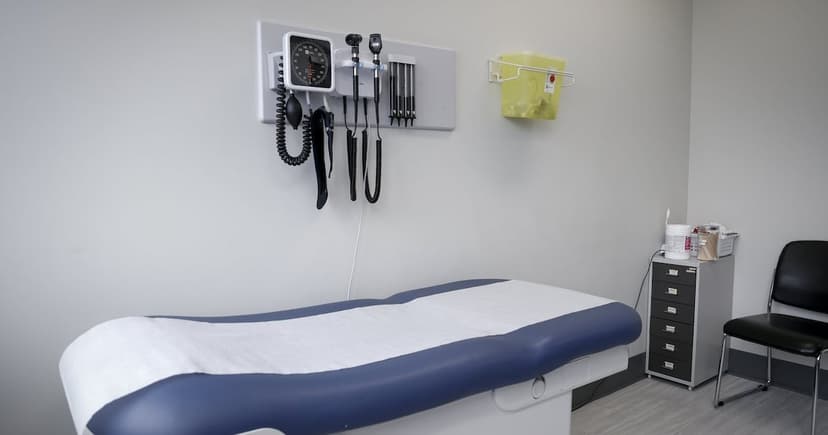
As of November 26, 2026, roughly six million Canadians, encompassing adults and children, do not have a regular family doctor or nurse practitioner. This lack of consistent care disproportionately affects individuals with lower incomes and those identifying as Black or Latin American.
The Canadian Institute for Health Information's report reveals that 87 percent of high-income adults have a primary-care provider, while only 78 percent of those with the lowest incomes do. Individuals in lower-income neighborhoods are also nearly three times more likely to experience a hospital stay for a condition manageable with good primary care.
Systemic factors such as inflexible work hours, childcare challenges, and medication costs contribute to these disparities. Dr. Tara Kiran notes the healthcare system's design, often limited to 9-to-5 weekdays, presents navigation difficulties. For racialized Canadians, experiences of dismissed health concerns, language barriers, and cultural differences further impede access and trust.
In specific communities, a lack of healthcare providers in high-density, high-needs neighborhoods exacerbates the problem. Dr. Mojola Omole emphasizes that care accessibility is improved when providers are located closer to residents' homes and workplaces. Both experts acknowledge the role of systemic racism in healthcare access hesitancy.
While data for Indigenous populations was unavailable, the report acknowledges potential greater barriers. Provincial access also varies, with Prince Edward Island at 66 percent provider access compared to Ontario's 89 percent.


