Home / Health / Microplastics Found in Human Brains
Microplastics Found in Human Brains
16 Mar
Summary
- Microplastics can enter the human brain through the blood-brain barrier.
- Donated brains from 2024 showed significantly higher microplastic levels.
- Higher microplastic presence associated with dementia in recent samples.
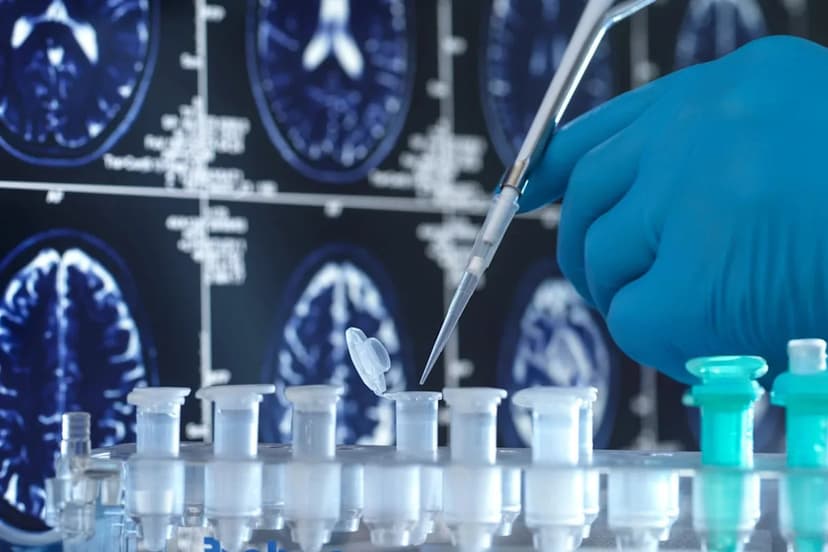
Microplastics have been detected within the human brain, according to a study published in Nature Medicine. Researchers confirmed that these tiny plastic particles can breach the blood-brain barrier, a protective layer separating the brain's fluid from the bloodstream.
The study analyzed 52 donated brains and revealed a concerning trend: samples from 2024 contained significantly higher concentrations of microplastics than those from 2016. Specifically, within the 2024 samples, individuals diagnosed with dementia exhibited three to five times more microplastics compared to those without the condition.
While these findings suggest an association, scientists emphasize that more research is necessary to establish a causal link between microplastic exposure and the development of neurodegenerative diseases like dementia. However, previous research has already linked microplastics to other health issues, including heart problems and hormonal disruptions.
Efforts to mitigate microplastic exposure include opting for reusable products, choosing plastic-free alternatives, and supporting improved waste management and filtration systems. Experts stress the vital role of better industrial waste regulation and filtration. Advocating for companies to offer plastic-free options can also contribute to reducing our collective exposure.