Home / Health / Hidden Microplastics: Surprising Sources in Your Home
Hidden Microplastics: Surprising Sources in Your Home
6 Dec
Summary
- Paper cups and takeout containers often contain plastic linings.
- A single tea bag can release billions of microplastic particles.
- Seafood and even salt can be significant sources of microplastics.
Tiny plastic particles, known as microplastics, are present in numerous common products, prompting growing concern about potential health impacts. Many paper cups and takeout containers are lined with plastic, releasing particles when heated. Similarly, a single tea bag can shed billions of microplastics into beverages, and even toothpastes and toothbrushes may contribute to exposure.
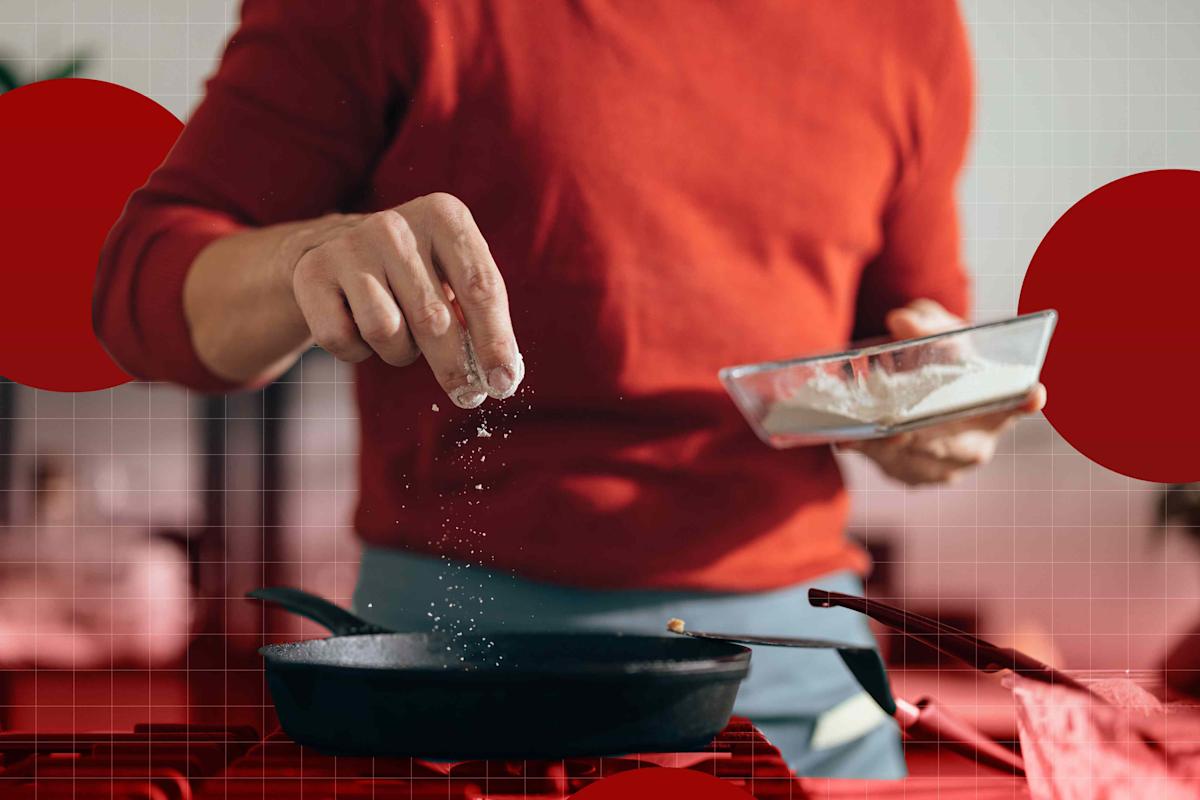
Seafood collected from the Pacific coast has shown significant plastic contamination, with one study finding over 180 positive samples. Salt, including table and Himalayan varieties, also contains microplastics. Synthetic clothing fabrics shed these particles during washing, potentially leading to skin absorption. Experts suggest that complete avoidance is unrealistic.
While the definitive health risks of microplastics are still debated, with some agencies like the FDA stating current levels pose no demonstrated risk, minimizing exposure is recommended for peace of mind. Simple swaps to reusable items made from glass, stainless steel, or ceramics, along with conscious choices in diet and clothing, can help reduce intake.