Home / Health / Madras HC Orders Microplastic Labels on Packaged Goods
Madras HC Orders Microplastic Labels on Packaged Goods
14 Feb
Summary
- Court ordered warnings for microplastics in bottled water, salt, and sugar.
- Labels must state: 'This water may contain micro/nano plastics'.
- Ministry and FSSAI given four weeks to issue compliance notification.
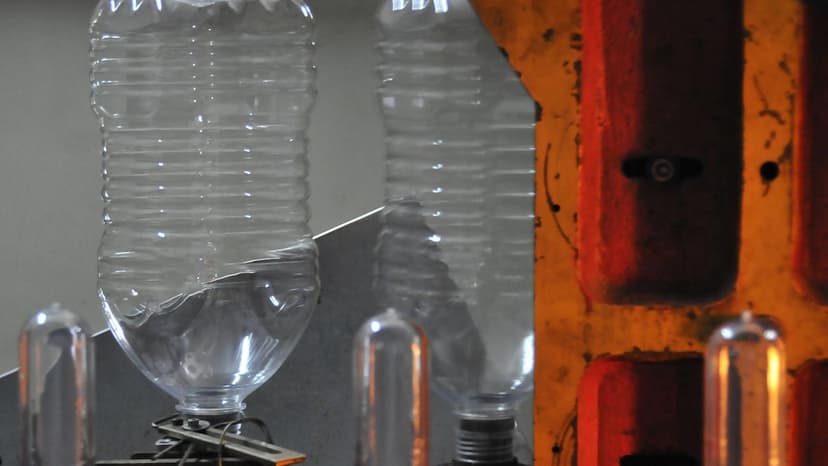
The Madras High Court has issued a significant order directing the Union Ministry of Health and Family Welfare and the Food Safety and Standards Authority of India (FSSAI) to mandate warning labels on packaged drinking water, salt, and sugar. These labels will alert consumers to the potential presence of micro and nano plastics (MNPs) in products sold in PET bottles and plastic packs.
The court specified that labels must clearly state, 'This water may contain micro/nano plastics' or 'This salt/sugar may contain micro/nano plastics,' using red font. The Ministry and FSSAI have been given four weeks to issue a notification and instruct companies on compliance. A status report is due from FSSAI by April 10, 2026.
This directive emerged during a case concerning single-use plastic bans. Amici curiae informed the court that banned plastics are entering forest areas and being consumed by wildlife. Research from PSG Institute of Medical Sciences and Research highlighted adverse impacts, noting that BPA, a chemical in plastics, was found in cord blood samples at concentrations exceeding tolerable daily intake levels.
Central government counsel indicated that microplastic issues were discussed at a scientific panel meeting in April 2025, and FSSAI launched a collaborative project in March 2024 to study MNPs in food. Initial findings from this project confirmed the presence of microplastics in commercially available bottled water, as well as in salt and sugar samples, with iodized salts showing the highest concentrations.
Despite FSSAI's acknowledgement that studies are nascent, the judges emphasized that initial findings warrant consumer warnings. They stressed that safety is paramount, and until conclusive research on harmful effects is completed, informing consumers about the potential presence of microplastics is the least expected measure.