
Home / Health / Menstrual Products Expose Women to Harmful Microplastics
Menstrual Products Expose Women to Harmful Microplastics
28 Sep, 2025
Summary
- Traditional period products contain plastic, releasing microplastics
- Microplastics found in human placentas, blood, and breast milk
- Growing demand for non-toxic, plastic-free period care alternatives
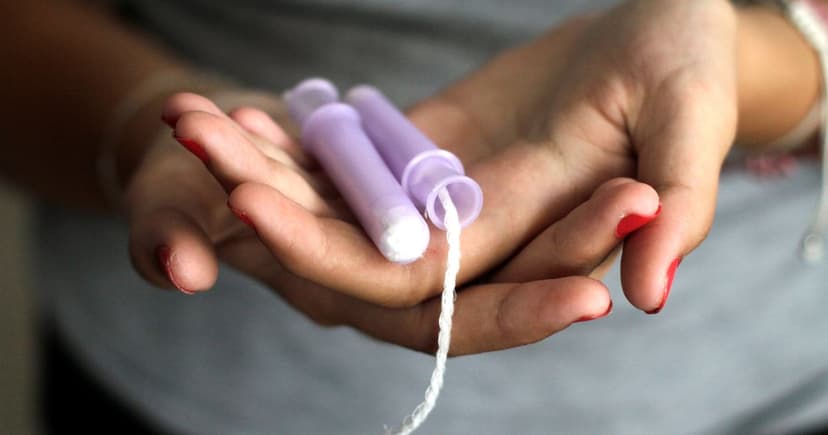
As of September 2025, traditional period care products have come under increasing criticism for their environmental impact and potential health risks. These single-use, disposable items are often lined with or composed of plastic, leading to the release of microplastics into the body during use.
Research has shown that tampons can release up to 17 billion nanoplastic fibres during use. This prolonged and intimate exposure to microplastics is a significant health concern, as they have been detected in human placentas, blood, and breast milk, indicating widespread contamination. Experts warn that these microplastics can carry substances that act as endocrine disruptors, potentially causing long-term effects on human health.
The environmental burden of these period products is also substantial. In the UK alone, an estimated 200,000 tonnes of menstrual waste are landfilled every year. This has prompted action, with the UK's Environment Agency launching an education programme in schools to raise awareness about the importance of proper disposal of period products.
In response to these growing concerns, a new generation of eco-friendly and plastic-free period care brands has emerged, offering consumers alternatives that aim to address the health and environmental issues associated with traditional menstrual products.
