

Home / Health / Menopause: The Hidden Eye Problems You Need to Know
Menopause: The Hidden Eye Problems You Need to Know
12 Mar
Summary
- Menopause hormonal shifts commonly cause dry eyes in women.
- Vision changes, blepharitis, and increased cataract risk occur.
- Regular eye check-ups are crucial for post-menopausal women.
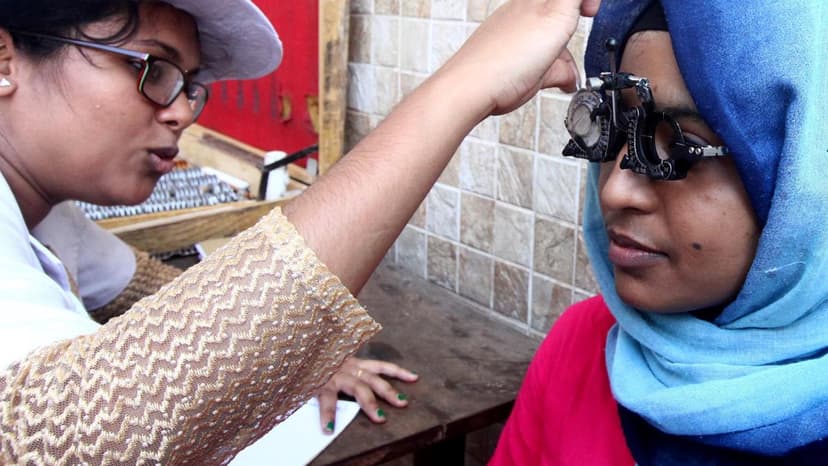
Menopause, a natural life stage marking the end of menstruation, significantly affects ocular health due to declining estrogen and progesterone levels. This hormonal transition can lead to common eye problems, including chronic dry eyes, burning sensations, blurred vision, and increased light sensitivity. Many women experience changes in their vision, requiring updated spectacle prescriptions, and are also more prone to eyelid and ocular surface diseases like blepharitis.
The decline in estrogen may accelerate cataract development and increase risks for macular degeneration. Furthermore, post-menopausal women undergoing cataract surgery often see exacerbated dry eye symptoms. Given these potential impacts, regular comprehensive eye evaluations by an ophthalmologist are recommended, especially for those experiencing symptoms.
While menopause is not a direct cause of glaucoma, a younger age at menopause has been linked to a modestly increased risk. Hormonal changes can also affect retinal vascular health. Therefore, consistent monitoring of intraocular pressure and optic nerve health is advised. Consulting healthcare providers, including ophthalmologists, is crucial for personalized management of menopausal eye-related issues.