Home / Health / Menopause: Bones Brace for Impact After Estrogen Drops
Menopause: Bones Brace for Impact After Estrogen Drops
13 Dec
Summary
- Estrogen decline weakens bones, increasing fracture risk post-menopause.
- Osteopenia can progress to osteoporosis, causing brittle bones.
- Annual DEXA scans and blood tests are vital for bone health monitoring.
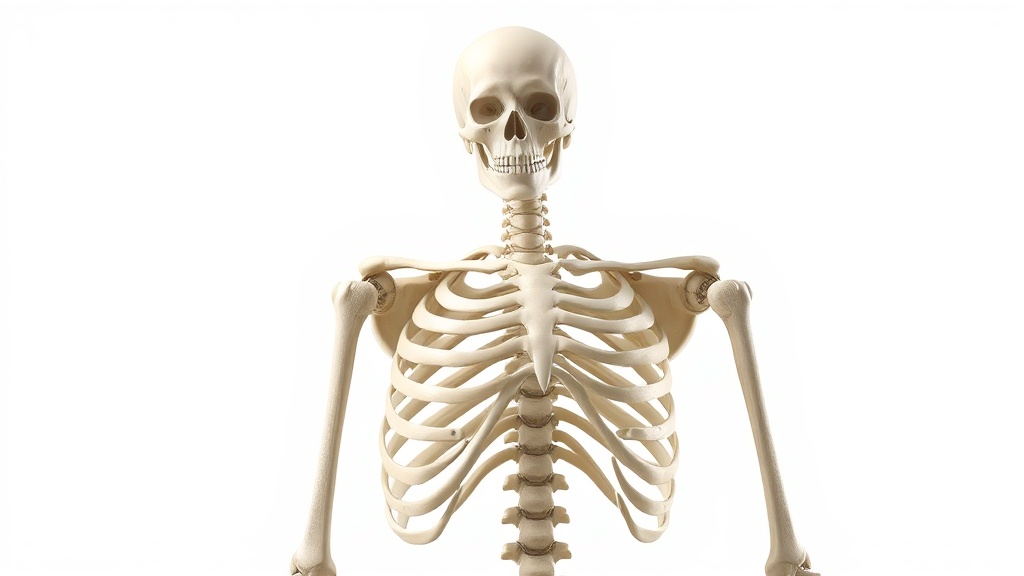
Following menopause, women experience a significant increase in bone vulnerability as estrogen levels decline. This hormonal shift diminishes the body's natural bone protection, making them susceptible to fractures from minor incidents.
The progressive weakening can lead to osteopenia, a state of reduced bone density, which, if unaddressed, may advance to osteoporosis. In severe osteoporosis, bones become so brittle that even strenuous actions like coughing could lead to fractures, highlighting the critical need for awareness and intervention.
Preventive strategies include regular health assessments, such as annual three-region DEXA scans to quantify bone density and comprehensive blood tests to evaluate metabolic factors. A balanced diet rich in calcium and vitamin D, alongside avoiding detrimental habits like smoking and excessive alcohol consumption, are essential for maintaining skeletal health.