Home / Health / US Hospitals Struggle to Identify Measles Cases
US Hospitals Struggle to Identify Measles Cases
25 Feb
Summary
- Hospitals are failing to identify measles due to doctors' lack of experience with the disease.
- A measles outbreak exposed 26 people at Mission Hospital in Asheville, NC.
- Vaccination rates are declining, increasing susceptibility to measles outbreaks.

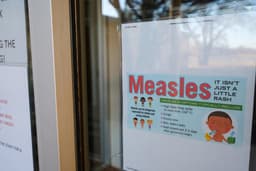
Many U.S. hospitals are ill-equipped to identify measles cases due to healthcare workers' lack of direct experience with the virus. This unfamiliarity means that symptoms, which can initially resemble common cold or flu, are often missed, leading to delays in diagnosis and isolation. Consequently, outbreaks can occur, as seen at Mission Hospital in Asheville, North Carolina, where twin brothers with measles were not properly isolated for over two hours.
This delay at Mission Hospital resulted in the exposure of at least 26 other individuals within the facility. Federal investigators designated the hospital as being in "Immediate Jeopardy," a serious sanction threatening federal funding. Despite hospital assurances of preparedness, the incident underscores a broader issue: many medical professionals have never encountered measles, making recognition challenging.
Contributing to the rise in measles cases are declining vaccination rates. The Centers for Medicare & Medicaid Services have noted the increasing risk, while public health officials urge vaccination. With unvaccinated individuals having a 90% chance of infection upon exposure, compared to 3% for those with two vaccine doses, the importance of immunization is critical.
Federal policies have also impacted public health messaging, with some officials sowing doubt about vaccine effectiveness. This has left healthcare workers to rely on their limited experience and state guidance. As measles becomes more prevalent, there is a concerted effort among medical professionals and public health agencies to improve recognition and response protocols.
The U.S. has aimed for measles elimination status since 2000, but recent outbreaks in several states jeopardize this achievement. Symptoms, including cough, coryza, and conjunctivitis (the "three C's"), can be missed if not specifically looked for. Hospitals are urged to use immediate isolation protocols for suspected cases, a step that was not initially followed at Mission Hospital.