Home / Health / Climate Change Fuels Malaria Surge in Southern Africa
Climate Change Fuels Malaria Surge in Southern Africa
8 Jun
Summary
- Malaria cases surge in Southern Africa due to climate shifts.
- Changing rain and rising temperatures favor mosquito breeding.
- South Africa's elimination goal is jeopardized by outbreaks.
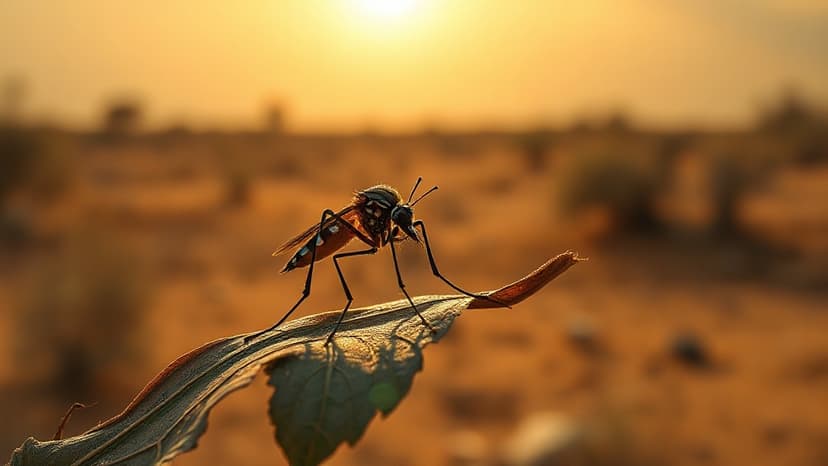
Climate change is intensifying malaria outbreaks across Southern Africa, with shifting weather patterns creating ideal breeding grounds for mosquitoes. In South Africa, Mpumalanga province has seen malaria cases jump fourfold in January compared to the previous year, jeopardizing the nation's goal of eliminating the disease by 2029. Gauteng province, not typically endemic, also reported concerning cases and fatalities.
Namibia and Mozambique have also experienced substantial increases in malaria cases in early 2026. Experts explain that climate change is supercharging existing hotspots and lengthening transmission periods, leading to more severe outbreaks. This evolving situation challenges traditional malaria control strategies, as transmission is now occurring beyond typical seasons and affected areas.
Health officials face difficulties in reaching communities due to extreme weather and maintaining the cold chain for vaccines. Despite these challenges, health workers emphasize the preventability and curability of malaria, urging community cooperation with control measures like insecticide spraying, which some locals still resist.


