Home / Health / Majority of Washington Schools Fail Lead Safety Standards for Drinking Water
Majority of Washington Schools Fail Lead Safety Standards for Drinking Water
6 Oct, 2025
Summary
- 75% of Washington schools had lead levels above state's safe limit
- Highest lead level was 4,853 ppb, over 900 times the state's limit
- Children under 6 at high risk of lead exposure and health impacts
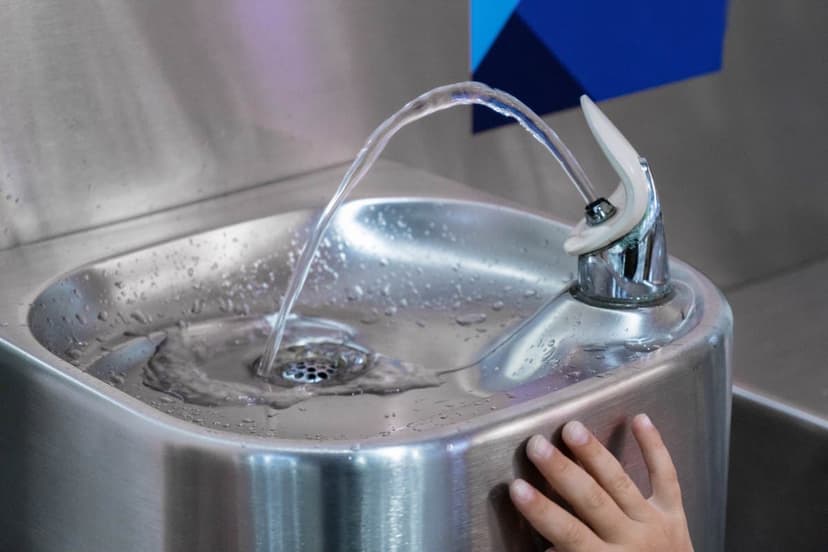
An investigation by the Washington Department of Health (DOH) has uncovered a concerning issue with lead contamination in the drinking water of schools across the state. According to the data collected between March 2022 and August 2025, just under 75% of Washington schools had lead levels in their drinking water fixtures that exceeded the state's safe limit of 5 parts per billion (ppb).
The DOH spokesperson emphasized the particular vulnerability of children under the age of 6, whose growing bodies absorb more lead and are more sensitive to its damaging effects. Even low levels of lead exposure can lead to reduced IQ, shorter attention spans, and other developmental issues that can impact learning and behavior.
The highest lead level recorded was a staggering 4,853 ppb at Silver Beach Elementary School in Bellingham, over 900 times the state's action limit. Several other schools, including Sky Valley Education Center, Wahkiakum High School, and Virgie Robinson Elementary, also had individual fixtures with lead concentrations exceeding 100 ppb.
While the majority of schools had elevated lead levels in at least one fixture, the DOH data showed that over 80% of all drinking water fixtures tested below the 5 ppb threshold. The department is currently working to update its website with the latest 2024-2025 school year data, which will provide further insights into the extent of the issue.


