
Home / Health / Massachusetts Birth Centers Disappearing Amid Financial Strain
Massachusetts Birth Centers Disappearing Amid Financial Strain
30 Apr
Summary
- Massachusetts birth centers are closing due to financial difficulties.
- Black women face higher C-section rates and maternal mortality.
- Advocates fight for equal reimbursement for birth centers.
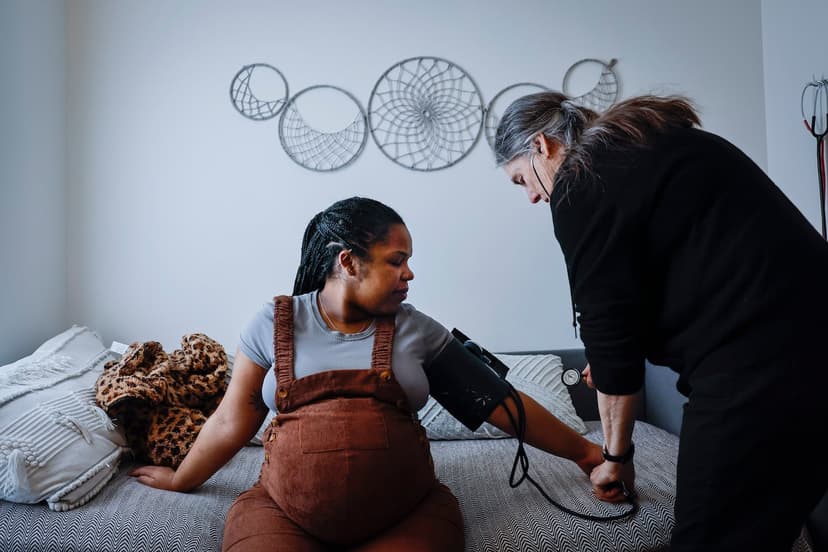
Freestanding birth centers in Massachusetts, which provide a home-like setting for low-risk pregnancies, are facing an existential crisis as financial difficulties lead to closures. Three centers have shut down since 2020, and the state's last remaining independent center is struggling. These centers are lauded for promoting lower rates of C-sections, interventions, and higher patient satisfaction, offering a vital alternative to hospital births.
Despite efforts by state leaders, including significant funding allocations and supportive legislation like the Maternal Health Law signed in 2024, birth centers grapple with inadequate insurance reimbursement. Midwives often receive less pay than physicians, and navigating insurance billing proves difficult. MassHealth, a major payer, reimburses birth centers less than hospitals, a disparity advocates argue is unsustainable.
Workforce shortages, particularly a lack of diverse midwives, further strain the model, which relies on more time-intensive care. Modernized licensure rules and new initiatives aim to support new centers, but leaders question the long-term viability. The struggle highlights deep-seated disparities in maternal care, especially for Black women who experience disproportionately higher C-section rates and maternal mortality.
Ginny Miller, founder of Seven Sisters, the state's last freestanding center, works without a salary, and staff often hold second jobs. The center has operated at a deficit since its inception in 2020, raising concerns about its future and the potential loss of a crucial care option for many families.
