Home / Health / New Hope for EGFR-Mutant NSCLC Patients
New Hope for EGFR-Mutant NSCLC Patients
26 Jun
Summary
- First patient dosed in HARNESS-1 trial combining RC220 and osimertinib.
- RC220 targets non-canonical G-quadruplex DNA and RNA structures.
- Trial aims to prevent or delay resistance to EGFR TKIs in lung cancer.
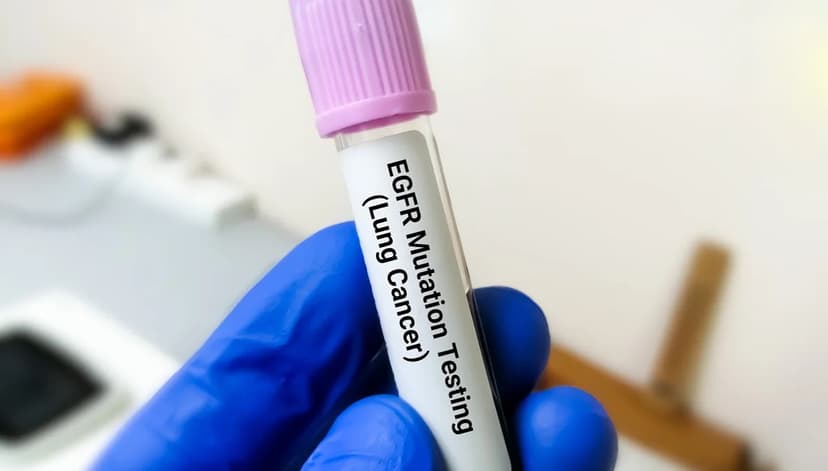
Racura Oncology has initiated the HARNESS-1 Phase Ia/b trial, administering RC220 in combination with osimertinib to a patient with EGFR-mutant non-small cell lung cancer (NSCLC). This first patient received the dose without adverse events.
The HARNESS-1 trial is designed to explore whether RC220 can safely prevent or delay acquired resistance to EGFR tyrosine kinase inhibitors (TKIs). This resistance remains a critical hurdle for patients with EGFR-mutant NSCLC.
RC220, a unique formulation of (E,E)-bisantrene, targets non-canonical G-quadruplex DNA and RNA structures. By disrupting regulatory regions essential for cancer proliferation, it aims to interfere with key oncogenic pathways such as c-MYC.
The multi-center trial includes an observational screening stage utilizing ctDNA for eligibility confirmation. Phase Ia involves dose escalation to determine the maximum tolerated dose, while Phase Ib will assess safety, pharmacokinetics, and early clinical activity, including survival outcomes.
The trial's first patient was treated at Monash Health in Victoria, Australia, marking a significant milestone for Racura Oncology and the development of RC220. This scientific rationale addresses the urgent need to overcome TKI resistance in EGFR-mutant NSCLC.


