Home / Health / FDA Signals Openness to 'Longevity Drugs'
FDA Signals Openness to 'Longevity Drugs'
8 Oct
Summary
- Major drug companies are now exploring 'longevity drugs' to combat age-related decline.
- New blood tests and genetic tools can now measure biological aging in real-time.
- GLP-1 drugs like Ozempic show promise in slowing organ aging, with more trials planned.
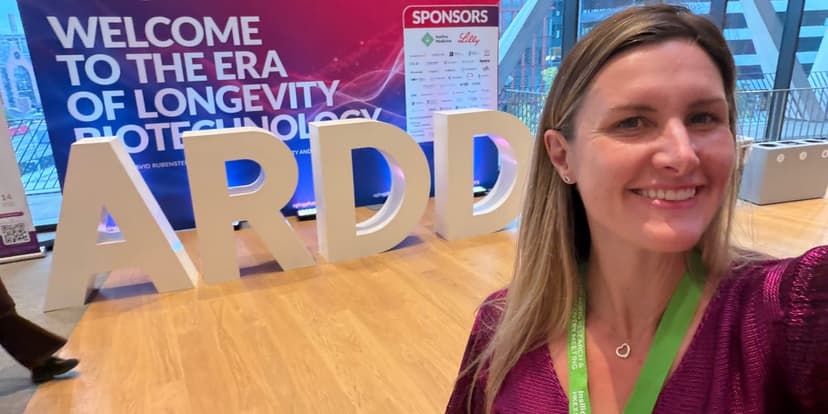
The pharmaceutical industry is embracing the concept of "longevity drugs," marking a significant departure from its historical avoidance of the field. This shift was evident at the 2026 Aging Research and Drug Discovery meeting in Boston, the first time the event was held in the US. Executives from major companies like Pfizer, GSK, AstraZeneca, Novartis, and Eli Lilly openly discussed strategies for developing medicines to combat age-related decline. The US Food and Drug Administration (FDA) also participated, signaling a new era of regulatory engagement.
Advancements in biological age blood tests and genetic screening tools are providing researchers with real-time metrics to assess aging and identify vulnerabilities. These innovations are crucial as the focus in healthcare increasingly shifts towards prevention. The success of GLP-1 drugs, such as semaglutide (Ozempic) and tirzepatide (Zepbound), has been a catalyst, with new data suggesting these medications may slow aging in various organs. Novo Nordisk presented findings indicating a 2-4 year reduction in heart age and an additional 1-4 year decrease in other organ ages for patients on semaglutide.
While regulators emphasize the need for more extensive data, the groundwork for approving longevity drugs is being laid. The FDA plans to release new clinical trial guidance next year, encouraging drugmakers to collaborate on trial design and data presentation. The immense financial opportunity, estimated to be hundreds of billions of dollars, further fuels this burgeoning market. Ongoing trials, such as the PROSPR initiative, aim to determine the efficacy of these drugs in healthier populations, ultimately seeking to understand their potential to functionally improve overall health and extend healthy lifespans.


