Home / Health / New Hope for Liver Cancer: Transplant Oncology Advances
New Hope for Liver Cancer: Transplant Oncology Advances
3 Sep
Summary
- Transplant oncology removes diseased livers, replacing them with healthy ones.
- Tumor biology, not just size, increasingly guides transplant candidacy.
- Downstaging shrinks tumors, making previously ineligible patients candidates.
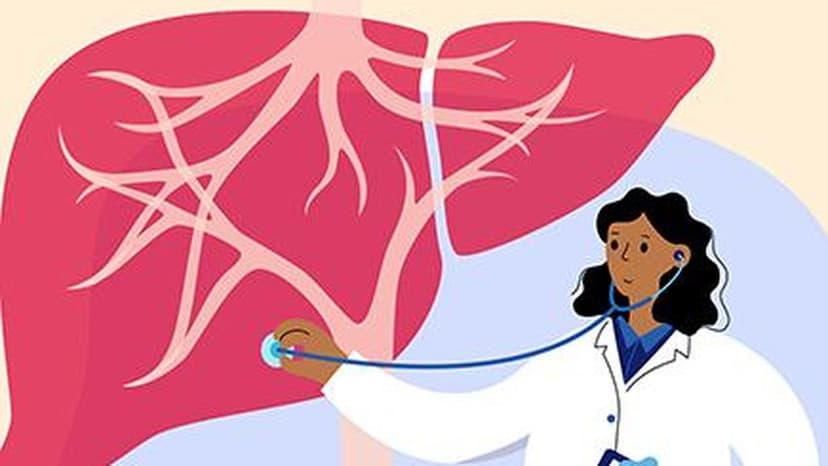
Transplant oncology is revolutionizing liver cancer treatment by replacing diseased organs with healthy ones. This approach is particularly effective for multifocal hepatocellular carcinoma (HCC), removing all tumors and scarred tissue in one operation. Selection for transplants now heavily relies on understanding tumor biology, using markers, scans, and microscopic analysis to predict recurrence risk.
Downstaging is a critical tool, shrinking tumors to qualify patients previously deemed ineligible. Successfully downstaged patients who then undergo observation and transplant show excellent outcomes. This advanced treatment is also expanding to include bile duct cancers and various complex liver tumors, including metastatic cancers and pediatric liver cancers.
Examples showcase its success: a man with chronic liver disease received a transplant from his wife, remaining cancer-free. Another patient, whose cancer invaded a major blood vessel, responded to local therapies and radiation before transplant, achieving a similar outcome. These cases highlight how transplant oncology offers a curative path for patients with both chronic liver disease and cancer.


