Home / Health / Low BP? Lie Detector Debate Ignited by Dakota Johnson
Low BP? Lie Detector Debate Ignited by Dakota Johnson
15 Dec, 2025
Summary
- Lie detector accuracy can be affected by medical conditions and anxiety.
- Dakota Johnson claims she lied and passed a lie detector test.
- Experts say polygraphs measure multiple physiological responses, not just blood pressure.
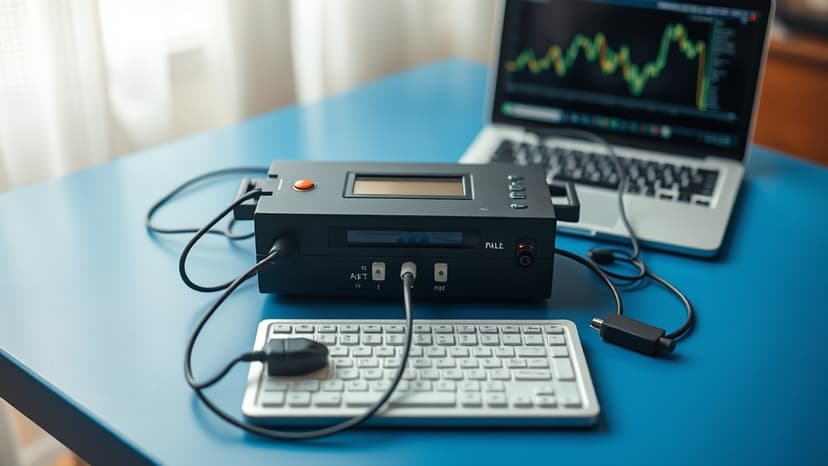
The reliability of lie detector tests has been called into question following a recent anecdote from Dakota Johnson. Johnson admitted to passing a lie detector test after telling a lie, speculating that her naturally low blood pressure might have been a factor. This has led to a discussion about whether medical conditions can indeed confuse polygraph results.
Experts explain that lie detectors, or polygraphs, monitor multiple physiological indicators such as heart rate, blood pressure, respiration, and skin conductivity. While low blood pressure is a physiological measure, it is only one component. The machine's accuracy relies on detecting stress-related fluctuations in these readings compared to a baseline established during the test.
Ultimately, polygraphs are not infallible. Factors like nervousness, fear, or overthinking can trigger physiological responses that mimic those of deception. Therefore, results are often not considered definitive legal proof, and an individual's natural physiological state, like low blood pressure, might contribute to a misreading of stress signals.