feedzop-word-mark-logo
searchLogin
Feedzop
homeFor YouIndiaIndia
You
bookmarksYour BookmarkshashtagYour Topics
Trending
trending

ChatGPT faces worldwide outages

trending

Alphabet dominates with Gemini 3

trending

OpenAI improves ChatGPT after Gemini

trending

Chennai schools closed due to rain

trending

Rupee collapses beyond 90/USD

trending

Avengers Doomsday trailer breaks tradition

trending

Rupee hits record low

trending

Canara Bank raises ₹3,500 crore

trending

JioHotstar releases Dies Irae

Terms of UsePrivacy PolicyAboutJobsPartner With Us

© 2025 Advergame Technologies Pvt. Ltd. ("ATPL"). Gamezop ® & Quizzop ® are registered trademarks of ATPL.

Gamezop is a plug-and-play gaming platform that any app or website can integrate to bring casual gaming for its users. Gamezop also operates Quizzop, a quizzing platform, that digital products can add as a trivia section.

Over 5,000 products from more than 70 countries have integrated Gamezop and Quizzop. These include Amazon, Samsung Internet, Snap, Tata Play, AccuWeather, Paytm, Gulf News, and Branch.

Games and trivia increase user engagement significantly within all kinds of apps and websites, besides opening a new stream of advertising revenue. Gamezop and Quizzop take 30 minutes to integrate and can be used for free: both by the products integrating them and end users

Increase ad revenue and engagement on your app / website with games, quizzes, astrology, and cricket content. Visit: business.gamezop.com

Property Code: 5571

Home / Health / LEDs Harmful? Scientists Warn of Eye Damage

LEDs Harmful? Scientists Warn of Eye Damage

3 Dec

•

Summary

  • Prolonged exposure to LED lighting may cause notable harm.
  • LED bulbs have a significant blue light spike damaging mitochondria.
  • Some researchers compare LED light concerns to the asbestos crisis.
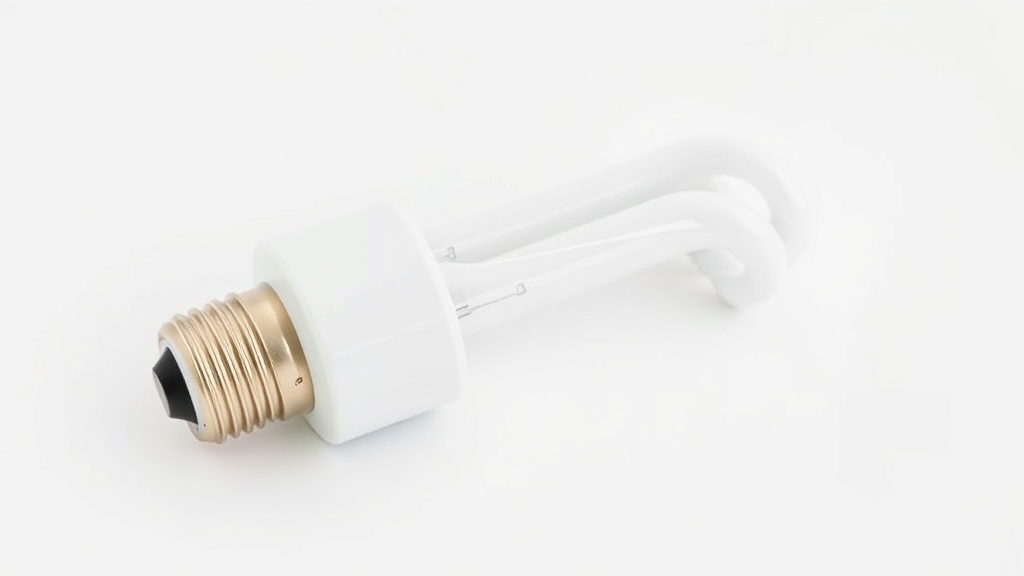
LEDs Harmful? Scientists Warn of Eye Damage

Ubiquitous LED lighting, while energy-efficient, may pose significant health risks due to its high blue light output. Neuroscientists highlight concerns that prolonged exposure could lead to mitochondrial damage, a fundamental cellular process.

Research, including studies on mice, indicates that LED light negatively impacts mitochondria, making them less responsive. This cellular degradation is a serious concern, with some experts drawing parallels to the health impacts of substances like asbestos.

The potential harm is especially concerning for children, who are increasingly exposed to this type of artificial light. Further research is ongoing to fully understand the long-term consequences of widespread LED use.


Disclaimer: This story has been auto-aggregated and auto-summarised by a computer program. This story has not been edited or created by the Feedzop team.
Yes, Andrew Huberman and Professor Glen Jeffery have discussed concerns that prolonged LED exposure can negatively impact eye health and mitochondria.
The primary concern is the high blue light spike emitted by LEDs, which may damage cellular mitochondria and affect overall health.
Some researchers consider the potential health issues from LED light exposure to be on a similar level of concern as the asbestos crisis.

Read more news on

Healthside-arrow

You may also like

Boxers' Brains Reveal Hidden Damage Pathway

1 Dec • 10 reads

Sunscreen Myth Busted: Time Isn't the Only Factor!

3 hours ago • 2 reads

article image

Calorie Cut Slows Brain Aging, Study Finds

26 Nov • 8 reads

article image

Alzheimer's Breakthrough: Lithium May Reverse Memory Loss

26 Nov • 51 reads

article image

Alzheimer's Gene Linked to Delirium: A Dual Brain Threat

25 Nov • 55 reads

article image