Home / Health / Lazy Eye: The Silent Vision Thief in Children
Lazy Eye: The Silent Vision Thief in Children
18 Aug
Summary
- Amblyopia affects 2-4% of children under five.
- Early detection and treatment are crucial for full vision.
- New binocular therapies show promise for better adherence.
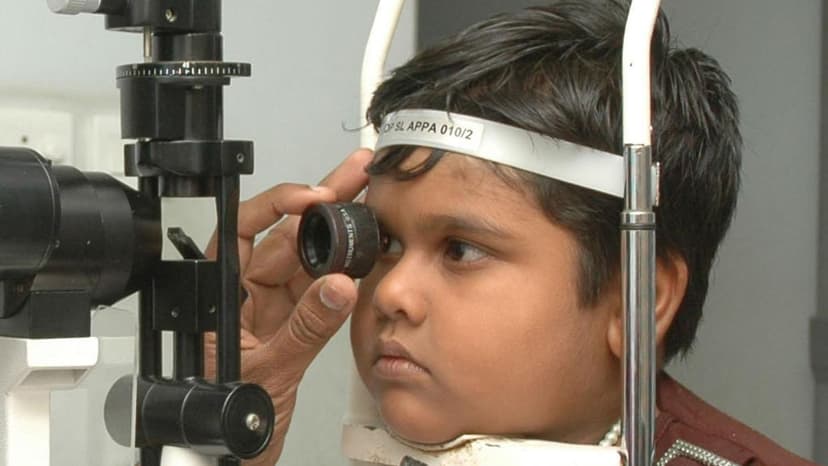
Amblyopia, commonly known as lazy eye, impacts an estimated 2% to 4% of children under five years old. This condition arises when the brain fails to properly process visual input from one eye, hindering normal visual development. Causes can include uncorrected refractive errors, eye misalignment like squint, or congenital issues obstructing vision.
Early intervention is paramount, as visual development occurs during childhood. Prompt treatment, such as prescribing glasses for refractive errors or surgery for cataracts, can restore potential vision. For many, occlusion therapy, where the stronger eye is covered, encourages the brain to utilize the weaker eye.
Adherence to treatment presents a significant challenge for families, with reported success rates fluctuating. Innovative approaches, including dichoptic or binocular vision therapies using digital platforms and games, are emerging. These newer methods may offer higher adherence rates and improved visual function, although cost remains a consideration.
While conventional treatments like patching remain vital, the focus is shifting towards therapies that families can realistically implement. Personalized counseling and regular follow-ups are essential for managing amblyopia effectively and ensuring children achieve optimal visual outcomes.


