Home / Health / Lab-Grown Oesophagus Successfully Works in Pigs
Lab-Grown Oesophagus Successfully Works in Pigs
20 Mar
Summary
- Scientists created a lab-grown oesophagus using donor tissue.
- Pigs could swallow food normally with the new organ.
- This breakthrough offers hope for children with oesophageal conditions.
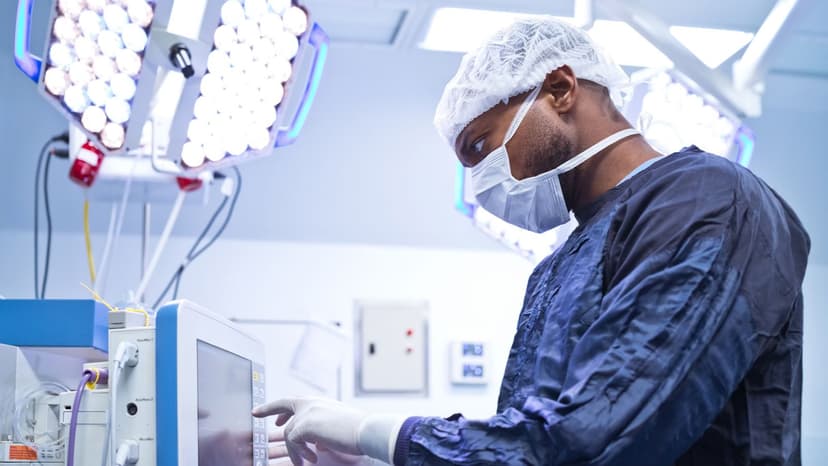
In a groundbreaking development, scientists in the UK have engineered the first functioning lab-grown oesophagus, successfully implanting it into pigs. This pioneering research, conducted by experts from Great Ormond Street Hospital and University College London, offers a beacon of hope for children with life-threatening oesophageal conditions.
The innovative technique begins with a donor pig's oesophagus, which is stripped of its original cells to create a scaffold. This scaffold is then repopulated with the recipient pig's own muscle cells, grown in a lab and nurtured in a bioreactor for a week. This two-month process ensures the new organ is perfectly tailored to the recipient, negating the need for immunosuppression.
Remarkably, eight recipient pigs recovered well, demonstrating normal swallowing function within three months. The engineered tissues integrated fully, developing functional muscle, nerves, and blood vessels. This allowed the transplanted oesophagi to contract and move food towards the stomach effectively. The study, published on Friday in Nature Biotechnology, paves the way for potential human treatments.
This advancement could revolutionize care for newborns and children requiring oesophageal repair. The ability to create custom-sized scaffolds from donor pigs means personalized implants could be readily available. Parents of children with existing oesophageal issues have expressed profound hope that such a treatment could be life-changing, offering a simpler, one-time solution compared to multiple complex surgeries.