Home / Health / Lab-Grown Esophagus Offers Hope to Children
Lab-Grown Esophagus Offers Hope to Children
20 Mar
Summary
- Lab-grown esophagus uses patient's cells and pig tissue.
- Potential treatment for babies with long-gap oesophageal atresia.
- Experts anticipate offering treatment within five years.
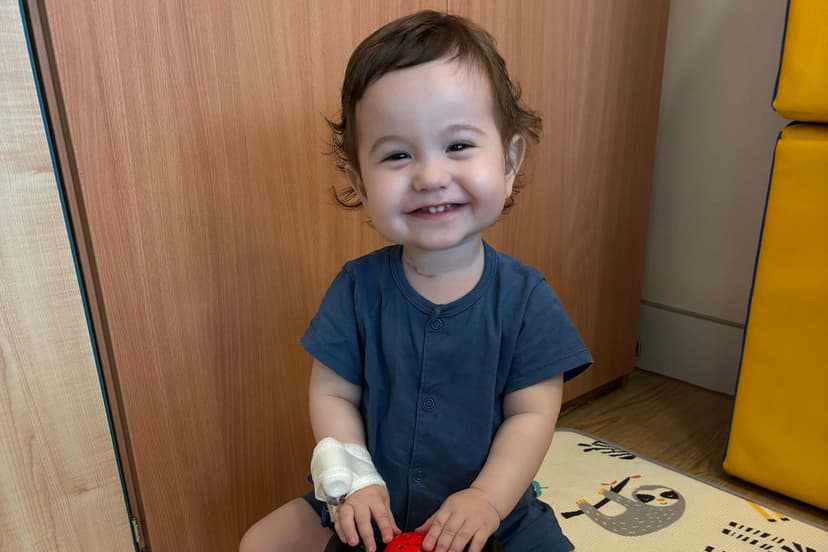
A significant breakthrough in regenerative medicine has led to the creation of the first lab-grown esophagus. This pioneering technology offers a potential solution for infants diagnosed with long-gap oesophageal atresia (LGOA), a rare condition where the food pipe is separated by a wide gap.
The treatment involves creating a scaffold from a donor pig's esophagus, which is then stripped of its original cells. Muscle cells are collected from the recipient, multiplied in a lab, and then injected into the scaffold. This engineered tissue, grown for about two months, has shown success in animal models, with pigs demonstrating normal eating and growth post-transplant.
Researchers are optimistic that this approach, which uses the child's own cells to prevent rejection, could be available within five years. This development is particularly significant for the approximately 180 babies born annually in the UK with oesophageal atresia, especially those with LGOA who often face complex surgeries and long recovery periods.