Home / Health / Knock Knees: When Childhood Growth Needs Extra Care
Knock Knees: When Childhood Growth Needs Extra Care
28 May
Summary
- Knock knees are common in children aged 2-7, often correcting naturally.
- Obesity and nutritional deficiencies can worsen or cause persistent knock knees.
- Severe cases may require physiotherapy, splints, or even surgery.
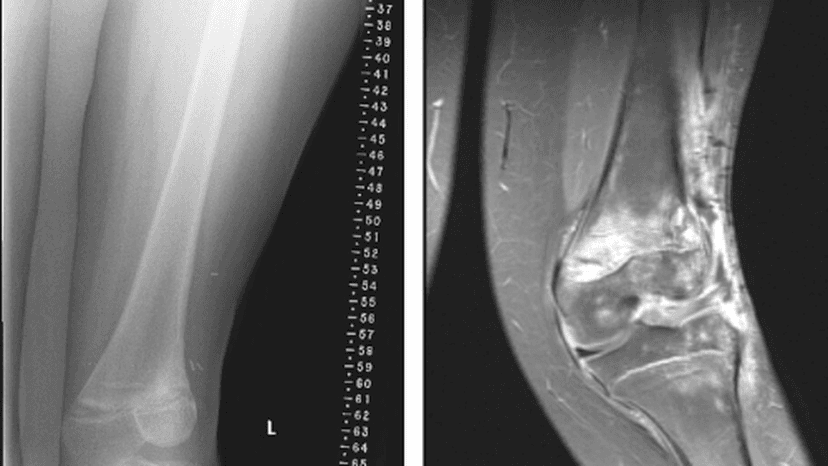
Knock knees, medically known as genu valgum, are frequently observed in children between two and seven years old as a natural phase of skeletal development. These inward-angling knees typically correct themselves as a child grows, but persistent or severe instances may indicate more serious conditions.
Factors like childhood obesity, which has seen a global surge, are increasingly linked to worsening knock knees. Studies indicate a notable prevalence of this condition, particularly among overweight children. Other significant contributors include nutritional deficiencies, such as low vitamin D and calcium intake, skeletal disorders, trauma, and genetic predispositions.
Management strategies for knock knees depend on the individual child's age, the severity of the condition, and any associated symptoms. Mild cases often require only observation and follow-up as natural improvement is common. However, physiotherapy can help address muscle imbalances and improve joint stability in moderate cases.
Surgical intervention is typically reserved for severe or progressive cases that persist beyond age eight or lead to pain and functional impairment. Early detection through radiographic evaluation can guide treatment, which may include weight management, nutritional correction, splints, or physiotherapy, aiming to prevent long-term joint complications like early-onset arthritis.


