feedzop-word-mark-logo
searchLogin
Feedzop
homeFor YouIndiaIndia
You
bookmarksYour BookmarkshashtagYour Topics
Trending
Terms of UsePrivacy PolicyAboutJobsPartner With Us

© 2026 Advergame Technologies Pvt. Ltd. ("ATPL"). Gamezop ® & Quizzop ® are registered trademarks of ATPL.

Gamezop is a plug-and-play gaming platform that any app or website can integrate to bring casual gaming for its users. Gamezop also operates Quizzop, a quizzing platform, that digital products can add as a trivia section.

Over 5,000 products from more than 70 countries have integrated Gamezop and Quizzop. These include Amazon, Samsung Internet, Snap, Tata Play, AccuWeather, Paytm, Gulf News, and Branch.

Games and trivia increase user engagement significantly within all kinds of apps and websites, besides opening a new stream of advertising revenue. Gamezop and Quizzop take 30 minutes to integrate and can be used for free: both by the products integrating them and end users

Increase ad revenue and engagement on your app / website with games, quizzes, astrology, and cricket content. Visit: business.gamezop.com

Property Code: 5571

Home / Health / Poor Kidneys Double Dementia Risk for Some

Poor Kidneys Double Dementia Risk for Some

5 Dec, 2025

•

Summary

  • Kidney disease nearly doubles dementia risk in vulnerable individuals.
  • Poor kidney function accelerates dementia in those with brain biomarkers.
  • Doctors should consider kidney health when interpreting Alzheimer's biomarkers.
Poor Kidneys Double Dementia Risk for Some

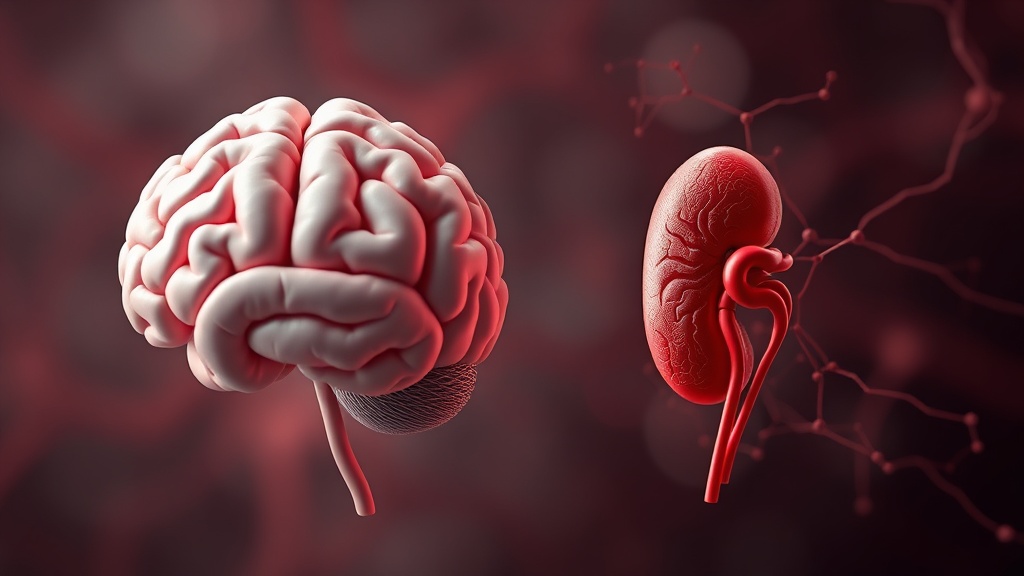
A recent study has uncovered a concerning connection between kidney health and dementia risk. Researchers found that individuals with impaired kidney function who also show early biological markers for neurodegeneration face a significantly higher likelihood of developing dementia. Specifically, for those with elevated proteins linked to Alzheimer's in their blood, poor kidney health nearly doubles their risk, acting as a potent accelerator of the disease process.

The findings emphasize that kidney function plays a crucial role in modulating dementia risk, even in the absence of strong genetic predispositions. When kidneys fail, toxins and inflammatory substances accumulate in the blood, potentially damaging brain cells. Scientists suggest this toxic environment may spur on dementia in vulnerable individuals, necessitating a holistic approach to patient assessment.

trending

GRAP-3 curbs lifted in Delhi

trending

Auto sales double-digit December

trending

IIT student joins Optiver

trending

Siddhartha Bhaiya passes away

trending

ICAI defers auditor review

trending

Chattogram Royals opt to bowl

trending

SJVN stock market gainer

trending

Maxwell backup wicketkeeper for Australia

trending

Stars versus Heat BBL|15

These discoveries, published in the journal Neurology, underscore the importance of considering kidney health when interpreting blood-based biomarkers for Alzheimer's disease. Monitoring kidney function may help clinicians better identify individuals at risk for faster dementia progression, leading to more targeted interventions and improved patient care strategies.

Disclaimer: This story has been auto-aggregated and auto-summarised by a computer program. This story has not been edited or created by the Feedzop team.
The Karolinska Institutet study found that poor kidney function nearly doubles dementia risk for individuals already showing early signs of neurodegeneration in their blood.
Failing kidneys may not filter toxins and inflammatory substances effectively, creating a harmful environment that can damage brain cells and spur dementia.
Yes, doctors should consider kidney health when interpreting Alzheimer's biomarkers in the blood, as it significantly impacts dementia risk and progression.

Read more news on

Healthside-arrow

You may also like

Sleep: The True Key to a Longer Life?

15 Dec, 2025 • 122 reads

Boost Your Brain: Simple Habits for Lasting Health

6 Dec, 2025 • 146 reads

article image

Obesity & Choline Lack: Brain Aging Alarm

2 Dec, 2025 • 186 reads

article image

Exercise Boosts Brain Health After 45

29 Nov, 2025 • 181 reads

article image

Boost Activity, Cut Dementia Risk by 45%

28 Nov, 2025 • 199 reads

article image