Home / Health / Child Malnutrition in North Karnataka: A Persistent Crisis
Child Malnutrition in North Karnataka: A Persistent Crisis
6 Mar
Summary
- Undernutrition persists in North Karnataka despite government efforts.
- Socio-economic disparities and behavioral issues worsen malnutrition.
- Progress is slow, with activists questioning official statistics.
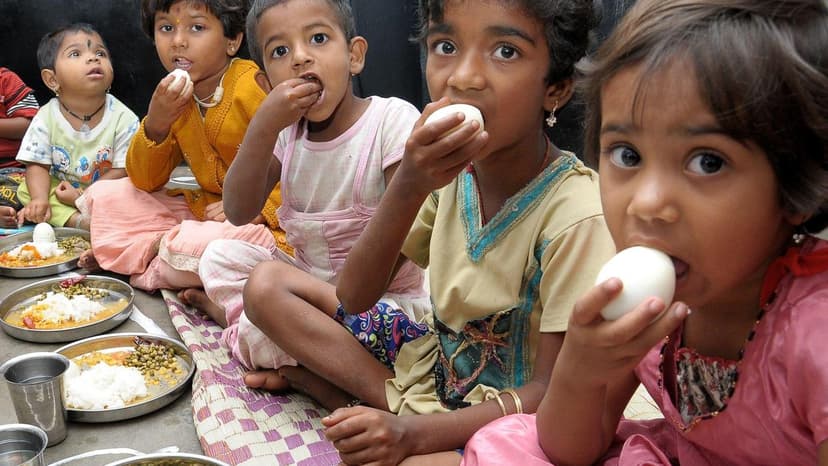
Child malnutrition, especially undernutrition, continues to be a significant challenge in North Karnataka's districts. This persistent issue stems from a complex interplay of factors, including climate stress, socio-economic disparities, and ingrained behavioral patterns, rather than solely food scarcity. Government initiatives, such as supplementary nutrition, vaccination programs, and specialized care like the Chiguru program, aim to combat this problem. However, administrative gaps and inconsistent political focus have hampered their full implementation.
The Kalyana Karnataka region, historically disadvantaged, faces challenges like erratic rainfall affecting agriculture and income, leading to limited dietary diversity. Poor maternal health, high rates of anemia among women and children, child marriages, and short-interval pregnancies further perpetuate inter-generational undernutrition. Gaps in child feeding practices, like delayed breastfeeding and inadequate complementary feeding, exacerbate the situation. Seasonal migration also disrupts the continuity of essential health services.
While official data from 2023-2026 indicates a decline in Severe Acute Malnutrition (SAM) and Moderate Acute Malnutrition (MAM) cases in districts like Kalaburagi, Bidar, and Yadgiri, activists express skepticism about these statistics reflecting ground realities. Concerns include alleged supply chain issues and the less effective shift from hot-cooked meals to Take-Home Rations (THR). Cultural beliefs also pose barriers, with some women avoiding iron supplements due to fears of delivery complications.
Experts emphasize the need for sustained, multi-sectoral convergence of efforts, focusing on the first 1,000 days of life and high-burden geographies. Adequate financial allocation, timely fund disbursement, and effective utilization are crucial. Region-specific interventions are also called for, acknowledging that different areas like Mysuru and Raichur have varying needs and differing stunting rates, as noted by former bureaucrat Veena Rao. Despite the slow pace, officials maintain that increased government focus and investment through bodies like the Kalyana Karnataka Region Development Board (KKRDB) are contributing to improved food quality and nutrition outcomes.