

Home / Health / Karachi's pregnant women battle extreme heat and power cuts
Karachi's pregnant women battle extreme heat and power cuts
23 Apr
Summary
- Extreme heat and power outages exacerbate pregnancy risks in Karachi.
- Low-income women face severe challenges without cooling or healthcare.
- Grassroots organizations provide essential aid amidst systemic failures.
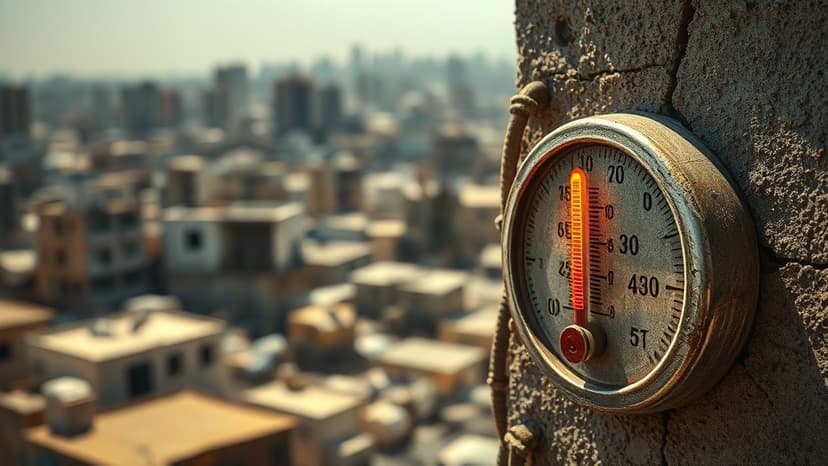
Karachi's pregnant women are disproportionately affected by the city's intense heat and recurring power outages. In densely populated neighborhoods like Lyari, homes offer poor ventilation, and summer temperatures can exceed 38 degrees Celsius, compounded by up to 12 hours of daily electricity cuts. This extreme heat poses significant health risks, increasing the likelihood of dehydration-related complications, urinary tract infections, and kidney infections for expectant mothers.
Emerging research indicates that extreme heat is linked to higher rates of preterm births, low birth weights, and stillbirths. Women in low-income communities are particularly vulnerable, lacking the financial means for fans or air conditioning. The city's public healthcare system, which has not seen a new hospital since 1974, struggles to meet the needs of its growing population, leaving many with "no confidence" in available services.
Organizations like the Mama Baby Fund are distributing "Summer Care Packages" containing essential items like breathable clothing and rehydration salts to women on islands such as Baba Island. These efforts highlight a critical gap in official support, as climate disasters intensify and the disparity between healthcare needs and provision widens. The effectiveness of these grassroots initiatives underscores the urgent need for systemic improvements in healthcare and climate resilience measures.
