Home / Health / Joint Replacement: Not Just for Seniors Anymore
Joint Replacement: Not Just for Seniors Anymore
12 Aug
Summary
- Joint replacement restores mobility and quality of life.
- Osteoarthritis is the main reason for joint replacement.
- Robotic assistance enhances precision in joint surgeries.
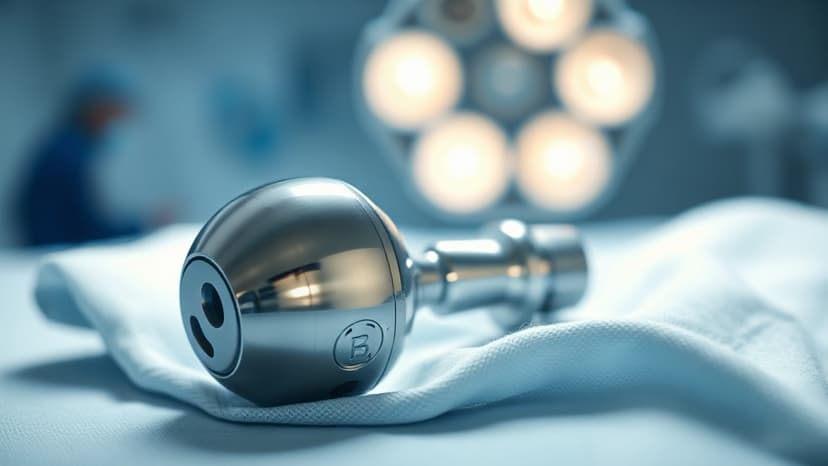
Joint replacement surgery is significantly enhancing mobility and quality of life, extending its benefits beyond the elderly population. Modern orthopedic medicine has seen remarkable progress, making procedures like hip and knee replacements highly effective for individuals experiencing advanced osteoarthritis or other joint damage.
Osteoarthritis, characterized by the wear of protective cartilage, is the most common reason for seeking joint replacement when pain and stiffness impede daily life. Doctors consider surgery when non-surgical treatments fail, focusing on how the joint problem impacts the patient's life rather than solely on X-ray results.
India is witnessing a growing demand for knee replacements, influenced by an aging population, lifestyle changes, and increased awareness. Similarly, hip arthritis can be debilitating, but replacement surgery aims to restore independence and enable a return to meaningful activities.
Contrary to a persistent misconception, joint replacement is not solely for older individuals. Age is assessed alongside overall health and activity levels, with decisions individualized. Modern implants offer many years of function, though their longevity varies.
Robotic-assisted joint replacement is gaining traction, aiding surgeons with planning and precise bone preparation for accurate alignment and implant positioning. However, the surgeon remains in full control throughout the process.
Recovery protocols now emphasize "prehabilitation" before surgery, involving strengthening and education, and prompt physiotherapy post-operation. Enhanced recovery pathways allow for shorter hospital stays, with day-case options available for carefully selected patients.
While postoperative pain is managed with contemporary strategies, potential risks like infection, blood clots, and stiffness exist. Experts advise consulting an orthopedic specialist when pain consistently limits daily activities, warning against delaying surgery due to fear, but also cautioning against rushing the decision based solely on X-ray findings.
Ultimately, modern joint replacement aims to restore function and independence. For carefully selected patients, it offers a real chance to overcome pain and significantly improve their quality of life.


