Home / Health / Talc Paper Retracted: Decades of Deception Unveiled
Talc Paper Retracted: Decades of Deception Unveiled
26 Mar
Summary
- Lancet retracted a nearly 50-year-old paper on talc safety.
- Paper's author had undeclared conflict of interest with J&J.
- Retraction follows historians' revelations about the paper.
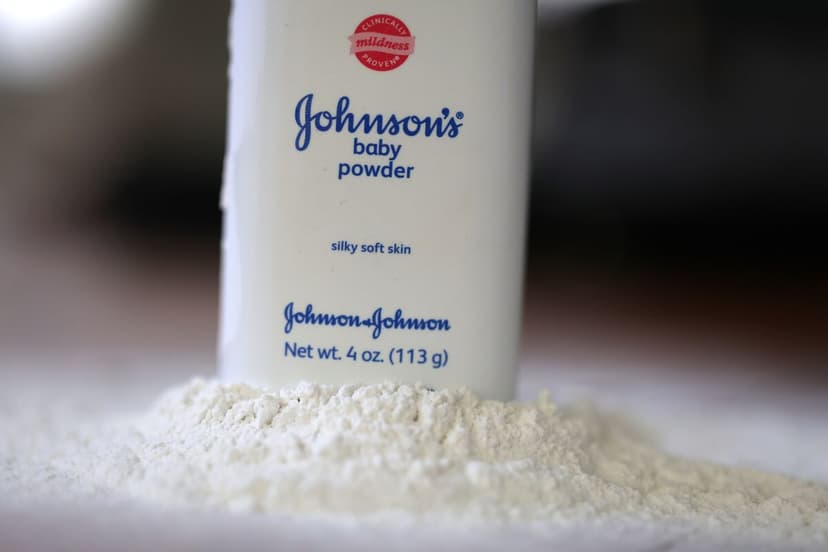
A nearly five-decade-old paper from The Lancet, which had previously supported the safety of talc, has been retracted. The journal's editors announced the retraction due to a significant breach of publishing ethics. The 1977 commentary, originally presented as unsigned, was authored by Francis J C Roe, a consultant for Johnson & Johnson and a respected cancer researcher.
It has come to light that Roe shared the manuscript with J&J for revisions before its publication, a fact unknown to the journal's staff at the time. The paper had concluded that cosmetic talc use posed no cancer risk. This undeclared conflict of interest was revealed to The Lancet by historians David Rosner and Gerald Markowitz.
Rosner and Markowitz uncovered documents showing Roe's manuscript was shared with J&J for suggested changes. The original paper was published during a period of debate over regulating asbestos in talc. The industry used the paper to argue against regulation, claiming cosmetic talc was asbestos-free. J&J disputes the retraction's implications, calling it part of litigation tactics and stating that FDA officials knew the original piece was an opinion paper.
Johnson & Johnson faced over 73,000 lawsuits alleging its baby powder caused illnesses, with significant jury awards, including a $1.56 billion verdict. The company discontinued its talc-based baby powder globally in 2023, replacing it with a cornstarch-based product. Talc remains in some beauty products, vitamins, and drugs, prompting FDA interest in its ingested use.