Home / Health / Japan: 30 Years Since Leprosy Law Abolished, Shadows Remain
Japan: 30 Years Since Leprosy Law Abolished, Shadows Remain
3 Jul
Summary
- Thirty years after the Leprosy Prevention Law's abolition, victims still live in hiding.
- Forced isolation, sterilizations, and testing marked the law's horrific human rights violations.
- Despite legal redress, nearly 20% of Japanese feel reluctant about contact with former patients.
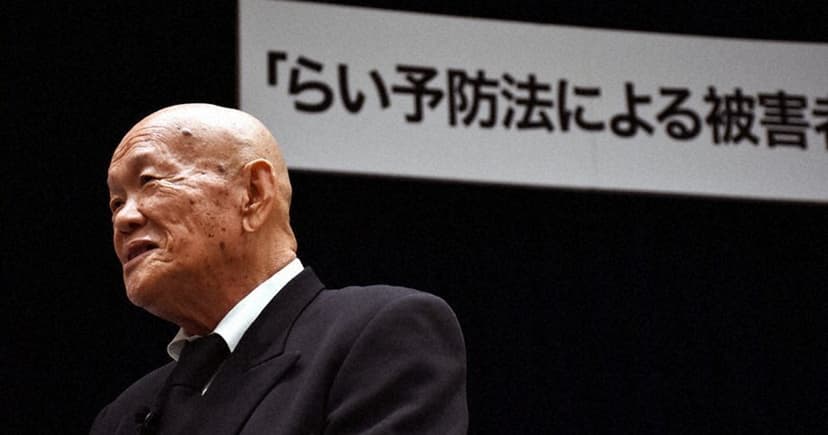
This year marks three decades since Japan's Leprosy Prevention Law was abolished. A recent ceremony on June 22, dedicated to victims whose human rights were violated, heard an appeal that many former patients still live in hiding. The law, enacted in 1931, enforced segregation of Hansen's disease patients despite the low infectivity of the bacteria and the availability of effective medication post-WWII.
During the isolation period, patients faced separation from families, forced labor, and punishment for escape attempts. Involuntary sterilizations, abortions, and experimental drug testing on patients were rampant. Following a 2001 court ruling deeming the law unconstitutional, the government apologized and offered compensation, with further support for family members enacted in 2019.
However, prejudice surrounding Hansen's disease persists. A 2024 survey indicated nearly 20% of respondents were hesitant about physical contact with former patients. Less than half had learned about Hansen's disease issues in educational settings. The government is urged to increase public awareness campaigns to combat this state-generated discrimination.
Approximately 550 elderly residents, averaging over 89 years old, continue to live in 14 sanatoriums across Japan, many requiring nursing care. Efforts to preserve these historical sites for human rights education face limitations due to the residents' advanced age. Governments are encouraged to support these preservation initiatives and maintain lifelong support systems for the remaining residents.


