Home / Health / Japan Tackles Dementia Via Early Hearing Checks
Japan Tackles Dementia Via Early Hearing Checks
8 Mar
Summary
- Early hearing loss detection is a new dementia prevention strategy.
- Research links hearing loss as a major dementia risk factor.
- Akita Prefecture pilots hearing tests to cut future care costs.
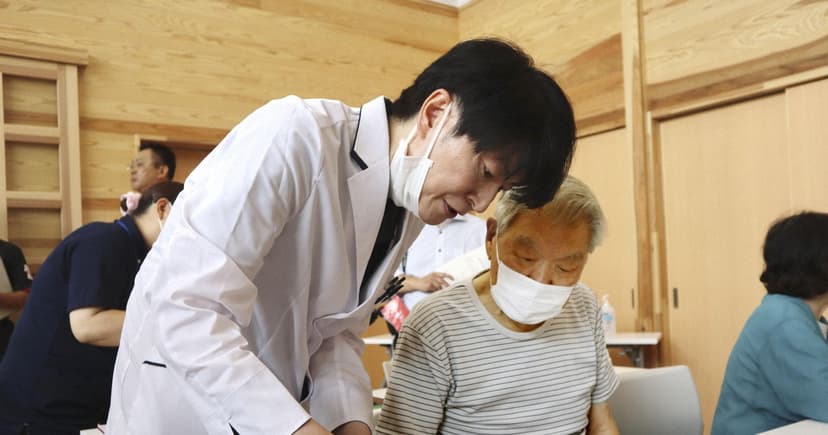
Japan is increasingly focusing on early detection of age-related hearing loss as a proactive measure against dementia. This strategy is gaining momentum nationwide, influenced by international research that establishes a strong link between hearing impairment and an elevated risk of dementia. The approach is seen as a cost-effective method to identify individuals at risk, thereby mitigating future healthcare expenses in communities grappling with a growing elderly demographic.
Akita Prefecture, which has the highest aging rate in Japan, initiated a pilot testing program in fiscal 2025. This program utilizes community centers and city halls for accessibility, offering hearing tests alongside physical fitness and cognitive assessments. A recent test in Noshiro identified a 79-year-old participant with declining hearing and cognitive functions, who expressed gratitude for the early intervention.
International studies, including a 2024 report from The Lancet, have identified hearing loss as the largest modifiable risk factor for dementia. Addressing hearing loss, alongside other factors like cholesterol and exercise, could potentially prevent or delay a significant percentage of dementia cases. This proactive approach by local governments aims to alleviate future shortages in care services and reduce overall medical and nursing care costs.
Subsidies for hearing aids are being offered in cities like Suzuka and Miyazaki, while others, such as Okayama, focus on awareness through educational lectures. Yamagata employs a smartphone application for hearing checks, advising those with significant hearing loss to seek medical attention. As Japan confronts the rising impact of dementia, hearing health is emerging as a crucial starting point for prevention efforts.