

Home / Health / Iron Deficiency Linked to Increased Dementia Risk
Iron Deficiency Linked to Increased Dementia Risk
17 Apr
Summary
- Low iron reserves can reduce brain resilience to dementia, increasing risk.
- Men with anemia were 66% more likely to develop dementia.
- Anemia may be a modifiable target for dementia prevention strategies.
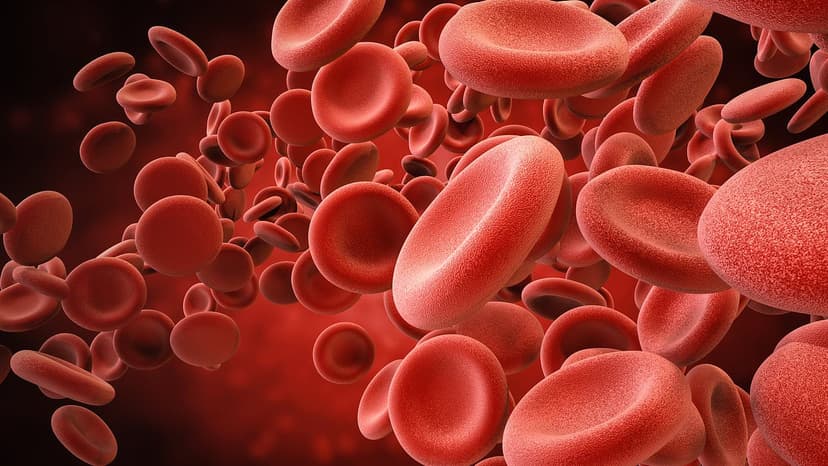
A concerning link between iron deficiency anemia and an increased risk of dementia has been identified by researchers. This common condition, affecting a significant portion of the UK population, is now understood to reduce the brain's resilience to the disease, potentially hastening its onset, especially in men.
Studies following cognitively healthy adults over several years found that those with anemia were 66% more likely to develop dementia. Furthermore, low hemoglobin levels, a marker for anemia, were associated with higher levels of p-tau217, a specific blood marker for Alzheimer's disease.
Interestingly, the increased dementia risk linked to anemia appeared more pronounced in men than in women, despite higher anemia prevalence in women. Researchers suggest this might be due to a greater tolerance to anemia in women stemming from generally lower baseline hemoglobin levels. These findings underscore anemia as a clinically relevant factor and a potential modifiable target in dementia prevention strategies.
Experts emphasize that the majority of anemia cases are preventable through dietary changes or iron supplements. Incorporating dark leafy vegetables, fortified cereals, and red meat can help boost iron levels. Lifestyle factors such as smoking, poor cardiovascular health, and social isolation also significantly influence dementia risk. It is believed that a substantial percentage of dementia cases could be prevented or delayed through lifestyle interventions and improved screening.
