
Home / Health / Invasive Mosquitoes Threaten UK's Public Health Amid Climate Change
Invasive Mosquitoes Threaten UK's Public Health Amid Climate Change
2 Oct, 2025
Summary
- Two disease-carrying mosquito species discovered in UK surveillance
- Mosquitoes linked to yellow fever, dengue, Zika, and other illnesses
- Warmer climate expected to enable mosquitoes' northward expansion
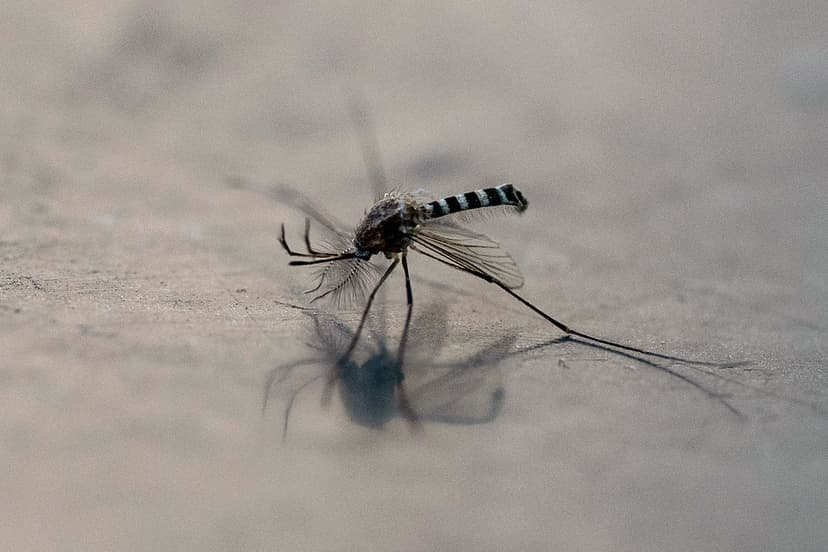
According to a recent study, two species of disease-carrying mosquitoes have been detected in the UK, raising concerns about the potential spread of illnesses like yellow fever, dengue, and Zika. Researchers from the UK Health Security Agency (UKHSA) discovered the presence of Aedes aegypti, also known as the Egyptian mosquito, and Aedes albopictus, the Asian tiger or forest mosquito, in surveillance traps set up to monitor non-native species.
The discovery of these mosquitoes, which are historically found in subtropical and tropical regions, is particularly alarming as both species are known to transmit several dangerous diseases. Experts warn that the presence of these invasive mosquitoes in Europe poses a "significant public health threat." The UKHSA found Egyptian mosquito eggs in a freight storage warehouse near London Heathrow Airport in September 2023, and tiger mosquitoes at a motorway service station near Kent in August 2024.
Researchers believe that rising temperatures and milder winters due to climate change have encouraged the northward movement of these mosquito species, which were previously identified in mainland Europe. As urban areas become more climatically suitable for species like Ae. albopictus, the risk of arboviral diseases like dengue, Zika, and chikungunya is expected to increase. Flooding and heavy rainfall, also consequences of global warming, could provide ideal breeding grounds for the mosquitoes, further facilitating their spread.
The UKHSA regularly monitors mosquito presence in the UK through surveillance at ports, transport hubs, and the Kent marshes, and also runs a citizen-reporting scheme to track sightings and nuisance biting incidents. While there is currently no evidence that the mosquitoes have traveled widely across the country, experts warn that such occurrences may become more frequent in the coming decades as the UK's climate becomes more favorable for these invasive species.
