Home / Health / India's Intersex Care Lags: Urgent Need for Genetic Testing
India's Intersex Care Lags: Urgent Need for Genetic Testing
25 Aug
Summary
- Tamil Nadu banned non-life-threatening surgeries on intersex infants in 2019.
- Hospitals lack essential genetic testing facilities like karyotyping.
- Improved infrastructure could save children from unnecessary surgeries.
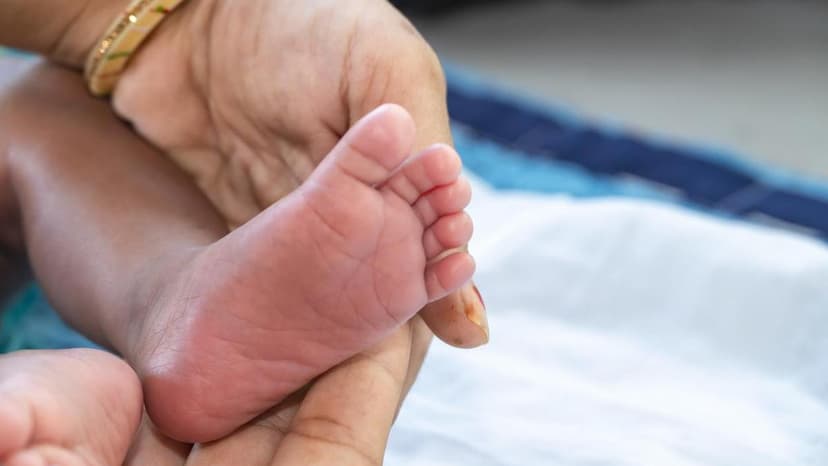
Seven years after Tamil Nadu banned non-life-threatening sex-reassignment surgeries on intersex infants, a significant gap in genetic infrastructure persists across India. The state's 2019 ban, enacted following a Madras High Court ruling, aims to protect children's bodily autonomy, mandating a panel for any life-saving surgical decisions.
Despite the ban, diagnosing and understanding intersex variations remains challenging due to a lack of essential genetic testing facilities. Karyotyping, a crucial chromosome analysis test, is often unavailable in government hospitals, requiring outsourcing to private labs at considerable expense. Experts emphasize that improved genetic infrastructure is vital for accurate diagnosis and management.
Specialists note that many government hospitals, including those in Madurai, see one to two intersex cases monthly but lack basic karyotyping. Only one medical college in Tamil Nadu has a dedicated genetic department. Advanced tests like next-generation sequencing are also needed. Investment in equipment and trained personnel is crucial to address this diagnostic deficit.
Strengthening centers like the Institute of Child Health in Chennai and establishing more centers of excellence for genetics could significantly benefit intersex children and other rare disease patients. Such investment would reduce reliance on costly private tests and support vital research and parental counseling.


