Home / Health / Infant Formula Fat Linked to Early Liver Disease
Infant Formula Fat Linked to Early Liver Disease
2 Mar
Summary
- Certain infant formula fats may stress developing livers.
- Newborn pigs showed faster liver fat accumulation.
- Liver disease differs in infants versus adults.

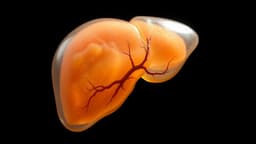
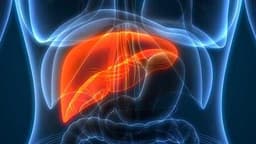
New research from Virginia Tech indicates that specific fats commonly found in infant formulas could place stress on a developing liver, potentially leading to early signs of fatty liver disease. Experiments with newborn pigs demonstrated that diets high in medium-chain fatty acids, often sourced from coconut oil, resulted in more rapid liver fat accumulation than diets containing long-chain fatty acids. This occurred even when caloric and protein intake were identical.
The study also uncovered a distinct mechanism for steatotic liver disease, previously known as non-alcoholic fatty liver disease, in early development compared to adulthood. While adult liver fat buildup is often linked to slowed fat-burning processes, the developing liver in the study showed fat accumulation despite increased fat-burning activity. Researchers observed the infant liver activating both fat synthesis and fat-burning pathways simultaneously, becoming overwhelmed.