Home / Health / Indore's Clean City Myth Exposed by Water Deaths
Indore's Clean City Myth Exposed by Water Deaths
5 Jan
Summary
- Indore, India's cleanest city, faces waterborne deaths.
- Contaminated water led to deaths despite multiple warnings.
- Aging infrastructure and neglected maintenance caused the crisis.
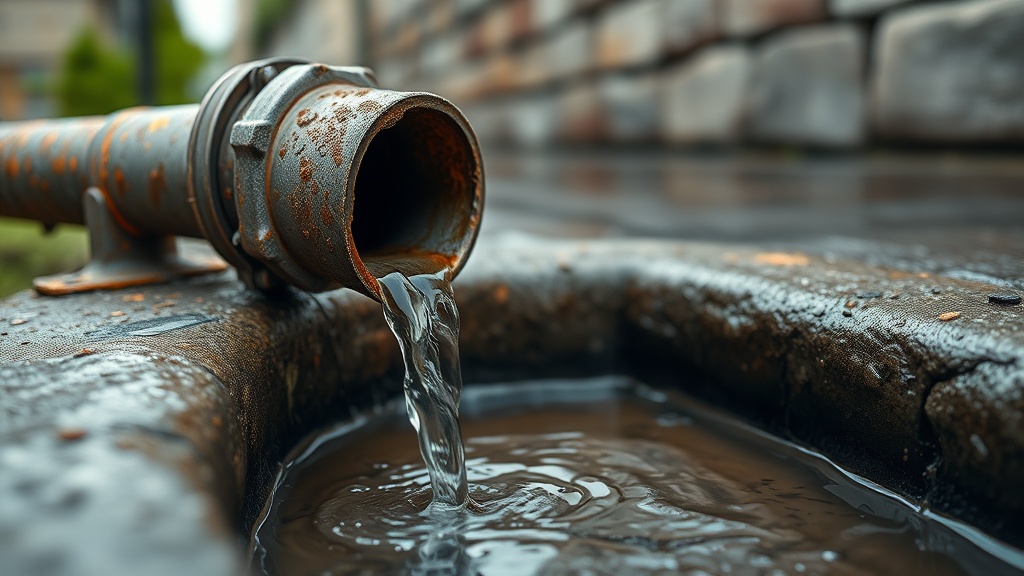
Indore, repeatedly recognized as India's cleanest city, is now facing a public health crisis marked by deaths and hospitalizations linked to contaminated drinking water. This stark paradox reveals that surface-level cleanliness can mask severe failures in providing safe drinking water, a fundamental responsibility of any urban municipality. Residents had raised alarms about discolored and foul-smelling water in July and October 2025, but these critical early warnings were disregarded until a tragedy unfolded.
Investigations revealed significant leakages in the drinking water pipelines, allowing sewage to infiltrate the municipal supply. This points to a grave lapse in infrastructure maintenance and surveillance. The issue is compounded by India's ongoing struggle with waterborne diseases, which claim numerous lives annually and disproportionately affect vulnerable populations, perpetuating poverty and inequity. Many Indian cities, including Indore with its nearly 120-year-old water network, suffer from aging infrastructure and a policy focus on sanitation scores over water quality.