Home / Health / A Thalassemia-Free Future? India's Bold Health Goal
A Thalassemia-Free Future? India's Bold Health Goal
13 Jan
Summary
- Nearly 45 million people in India are thalassemia carriers.
- Annual births of children with thalassemia major exceed 15,000.
- Prenatal screening is highlighted as the most effective prevention method.
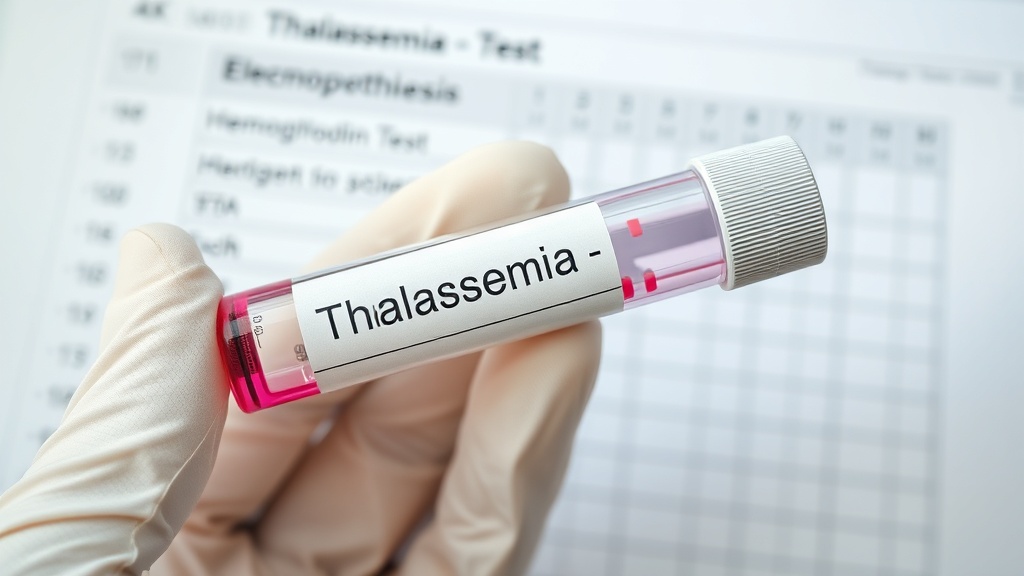
India faces a critical juncture in public health, with an estimated 45 million individuals as thalassemia carriers. Annually, approximately 15,000 children are born with thalassemia major, a preventable genetic blood disorder impacting hemoglobin production. The condition necessitates lifelong transfusions and chelation therapy, with bone marrow transplants being a costly option.
International examples from Cyprus and Iran show that widespread screening and awareness campaigns can drastically reduce thalassemia cases. India aims to replicate and surpass these successes, with antenatal screening being a primary strategy. This involves screening pregnant women and their partners to identify at-risk pairs early, empowering them to prevent new cases.
Positive strides are being made, with Mahbubnagar district in Telangana leading in 100% prenatal screening. Other states are adopting similar initiatives. The National Health Mission provides a framework for enhancing antenatal screening, genetic counseling, and public awareness, paving the way for a thalassemia-free future within five years.