Home / Health / India's Genetic Diversity: Key to Global Cancer Fight?
India's Genetic Diversity: Key to Global Cancer Fight?
2 Mar
Summary
- India may lead global cancer detection and management.
- Cancer cases globally projected to exceed 35 million by 2050.
- India's diverse population offers unique genetic cancer insights.
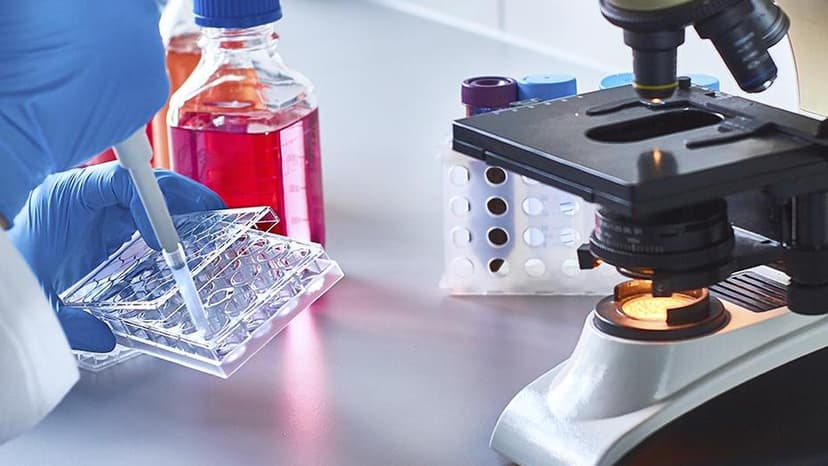
Cancer incidence has been steadily increasing worldwide for five decades, driven by factors like ageing populations and environmental exposures. The World Health Organization reported nearly 20 million new cases in 2022, with projections indicating over 35 million annually by 2050. India faces a similar challenge, with millions of cases expected in the coming decades.
However, this growing health crisis presents an opportunity for India to pioneer advancements in cancer detection and management. Drawing parallels from its successful polio immunization drive and its role in providing affordable HIV/AIDS treatments, India's scale and adaptive policies can generate significant global health impacts.
The country's genetically diverse population, coupled with ongoing cancer registry programs and cost-effective next-generation sequencing, offers a unique advantage for genomic cancer research. This positions India as a crucial collaborator in global oncology, especially for low- and middle-income countries often overlooked in genomic studies.
Policy shifts, including expanded funding for cancer care centers and investments in digital health systems, are bolstering India's capacity. The nation's burgeoning medical tourism industry, with oncology as a key driver, further contributes to extensive experience with diverse genetic backgrounds and disease presentations.
To fully realize this potential, regulatory frameworks must evolve to accommodate comprehensive genomic profiling, moving beyond therapeutics to include advanced diagnostics. By embracing data-driven innovation, India can shape the future of global cancer care, designing systems that match its scale and drive future breakthroughs.