

Home / Health / Faith Healers Join Malaria Fight in India
Faith Healers Join Malaria Fight in India
29 Mar
Summary
- Traditional pujaris now refer fever patients to health workers.
- Maharashtra trains 1,759 faith healers for malaria detection.
- Gadchiroli integrates healers to boost early malaria diagnosis.
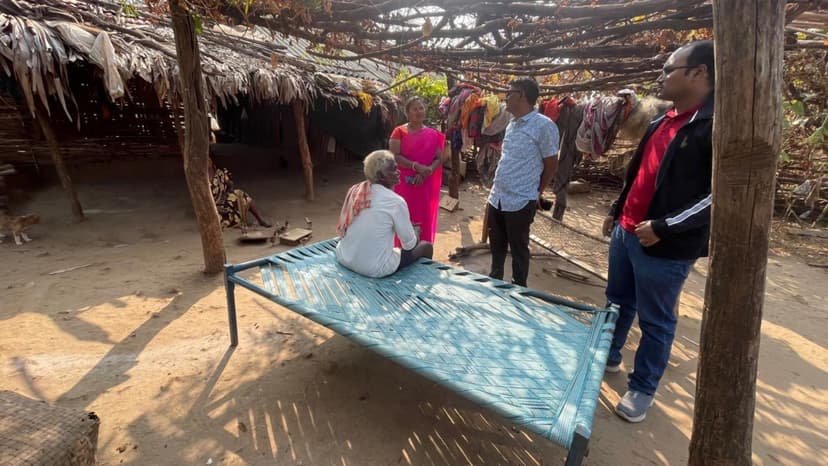
In Lahiri village, Gadchiroli district, 65-year-old pujari Pengda Kuma Bongani now refers fever patients to health workers, a significant shift from decades of traditional 'jhar phook' healing. This collaboration is central to Maharashtra's malaria strategy in Gadchiroli, an area with a high malaria burden. The government has trained 1,759 pujaris to recognize symptoms and refer suspected cases, effectively integrating them into the public health system.
The initiative addresses delays in seeking medical care, often rooted in belief systems. Since April 1, 2025, 1,200 pujaris have attended workshops. Since January 2026, 27 patients have been referred by pujaris, with four testing positive for malaria. Pujaris receive Rs 15 for referrals and a Rs 500 incentive for positive malaria cases.
Gadchiroli's geography, with dense forests and high rainfall, contributes to high malaria transmission. The district reported 7,293 cases and 14 deaths in 2025. To combat this, the government launched an intensified malaria elimination initiative in 2025, including community-based strategies like involving traditional healers for early detection.
Winning healers' trust has been crucial. After initial resistance, rigorous counseling since 2025 has brought them on board. Organizations like SEARCH have also worked for over three decades to bridge the gap between traditional beliefs and modern medicine, emphasizing that this is about survival, not choosing between faith and medicine.
