Home / Health / India's Invisible Poison: Pesticides Accumulate Unseen
India's Invisible Poison: Pesticides Accumulate Unseen
8 Jul
Summary
- Pesticide exposure in India occurs through food, water, and air simultaneously.
- Current monitoring systems fail to track cumulative pesticide exposure.
- Health impacts include neurological disorders and increased disease risk.
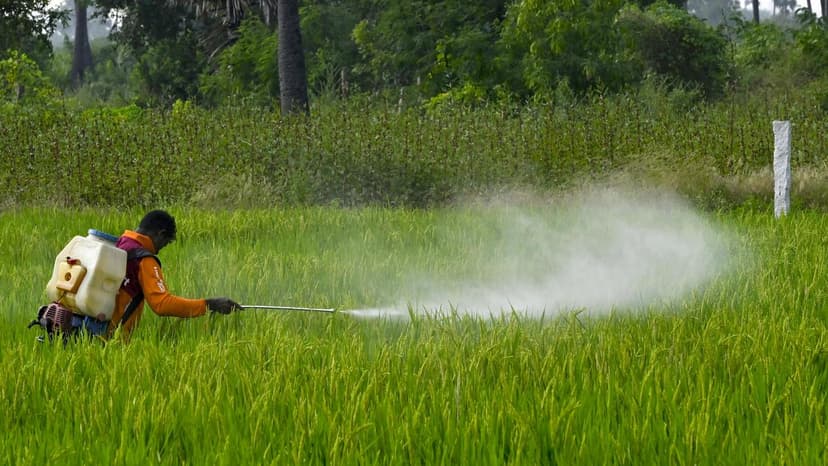
Pesticide residues in India are a growing concern, entering the body through food, water, and air, often concurrently. Current regulatory systems are not equipped to sum these individual exposures, creating an invisible national health condition.
Incidents like the 2008 contamination in Sindhikela, Orissa, where pesticide entered drinking water, or the "cancer village" of Bhuttiwala in Punjab's Malwa region, highlight the severe health impacts. In Kerala's Kasaragod, endosulfan residues persist twenty years after its ban, leading to widespread congenital disabilities and other health issues.
Food safety tests show residues in nearly 20% of samples, with some exceeding limits, but dietary intake from multiple sources can collectively surpass safe levels. Groundwater extraction, largely for drinking water, is contaminated by decades of agricultural chemicals, particularly in states like Punjab and Haryana.
Indoor air is also a significant exposure route, with repellents and insecticides contributing to higher pollutant concentrations within homes. The Indian regulatory framework, with separate laws for manufacturing, food safety, and water quality, fails to address the cumulative effect of exposure across these pathways.
Biomonitoring studies in Telangana and West Bengal reveal alarming links between chronic pesticide exposure and neurological conditions, including Parkinson's and Alzheimer's risk factors, as well as cognitive impairment and depression. The lack of integrated monitoring means these links often go unrecorded at the point of care.


